Why keep anything
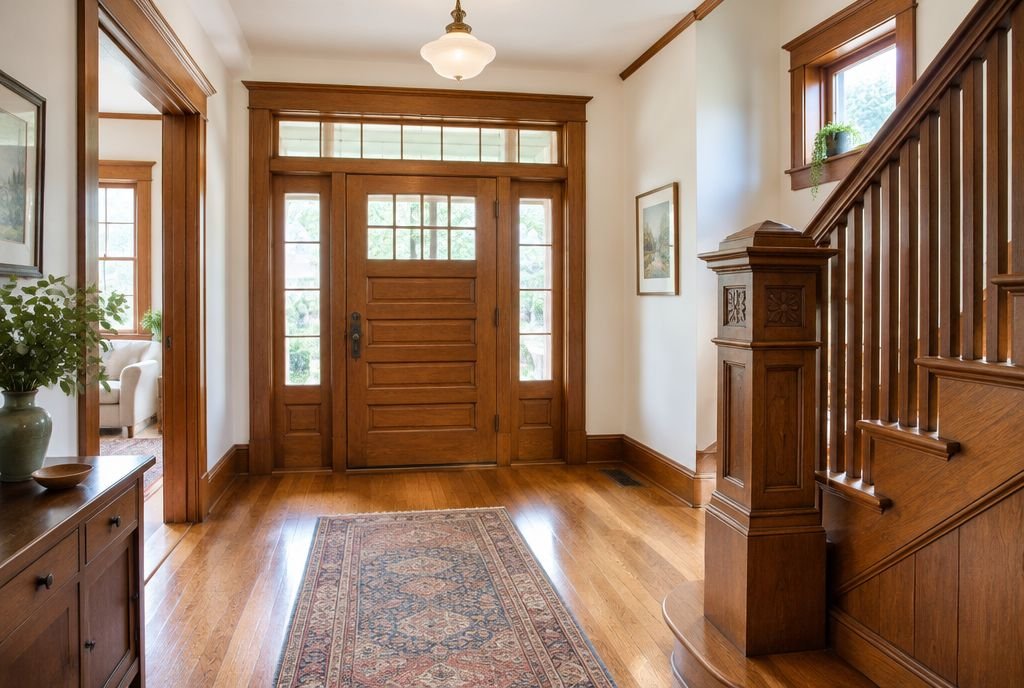
Original details are the reason many people buy an older home in the first place. They also tend to be made of better material than what replaces them. Trim, floors and doors in early Calgary houses were often cut from old growth fir and oak, denser and more stable than most lumber sold today, and reproducing them costs far more than repairing them.
Keeping a few strong original pieces is also what stops a renovation from looking like it could be anywhere. A new kitchen next to an original stair and fir doors feels like it belongs to the house.
Hardwood floors
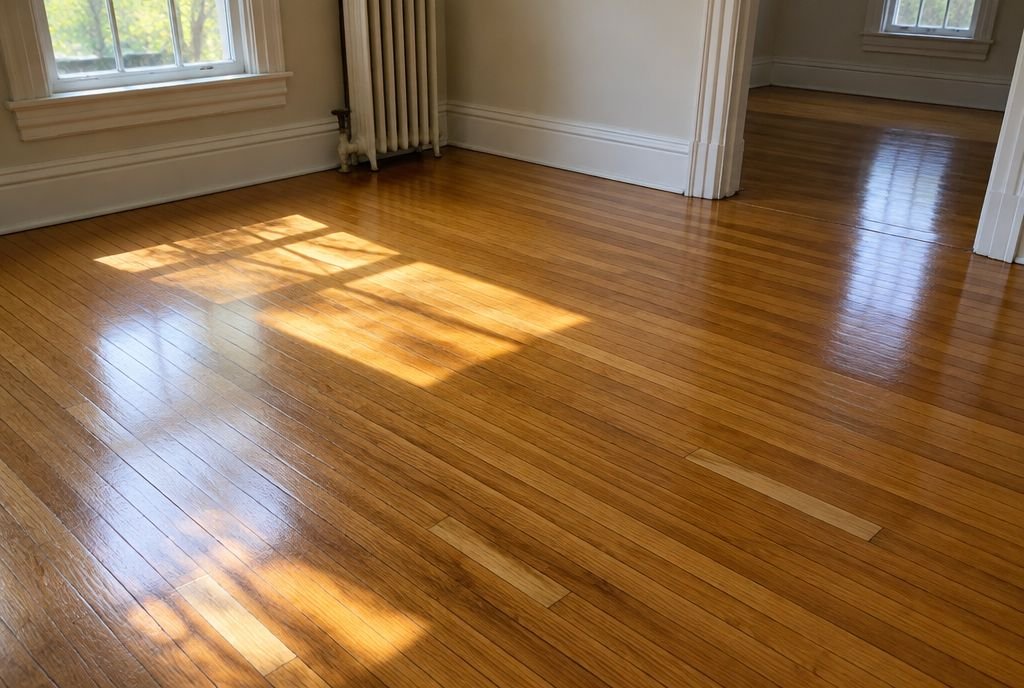
Original solid hardwood can usually be sanded and refinished, sometimes more than once, depending on how much wood is left above the tongue. Damaged areas can be patched with boards taken from closets or from rooms that are being changed, so the repair matches.
Ask your flooring crew to check the thickness before you decide. If the floor has been sanded many times or has deep pet damage, it may be time to replace it, and our flooring guide compares the options.
Trim, doors and hardware
Solid wood trim, five panel doors, glass knobs and old hinges are some of the easiest things to keep and the hardest to replace well. They can be stripped, repaired and refinished, or simply painted.
Health Canada says homes built before 1960 probably contain lead paint, so old painted woodwork should be treated as if it does. Avoid dry sanding and high heat on old paint. A crew that follows lead safe practices, or a shop that strips doors off site, keeps the dust out of your home.
Windows
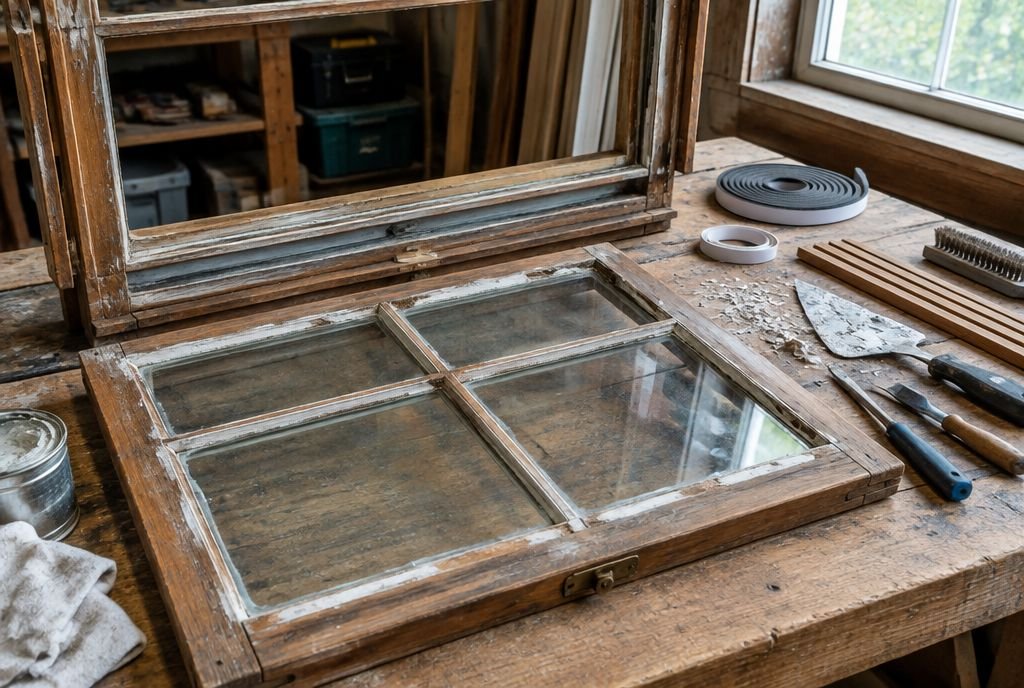
Original wood windows can often be repaired with new glazing putty, weatherstripping and sash cords, and a good storm window in front of them helps a lot with comfort. For a heritage house where the windows are a big part of the front, restoration is often the right call.
For most Calgary homes, though, comfort and energy use in a long winter push people toward new windows. A good compromise is to keep the original trim and the proportions of the openings, and choose new windows with similar sash lines. Our windows guide explains double and triple pane choices.
Stairs, railings and built-ins
Original stairs, newel posts, spindles, built-in buffets, window seats and linen cupboards are worth keeping almost every time. They are full of character and usually solid.
Older railings are often lower than today's code asks for new work. Keeping an existing railing is often allowed, but if the stair is being rebuilt or the railing replaced, the new work has to meet current rules. A carpenter can sometimes raise a railing discreetly while keeping the original newel and balusters.
Fireplaces and mantels
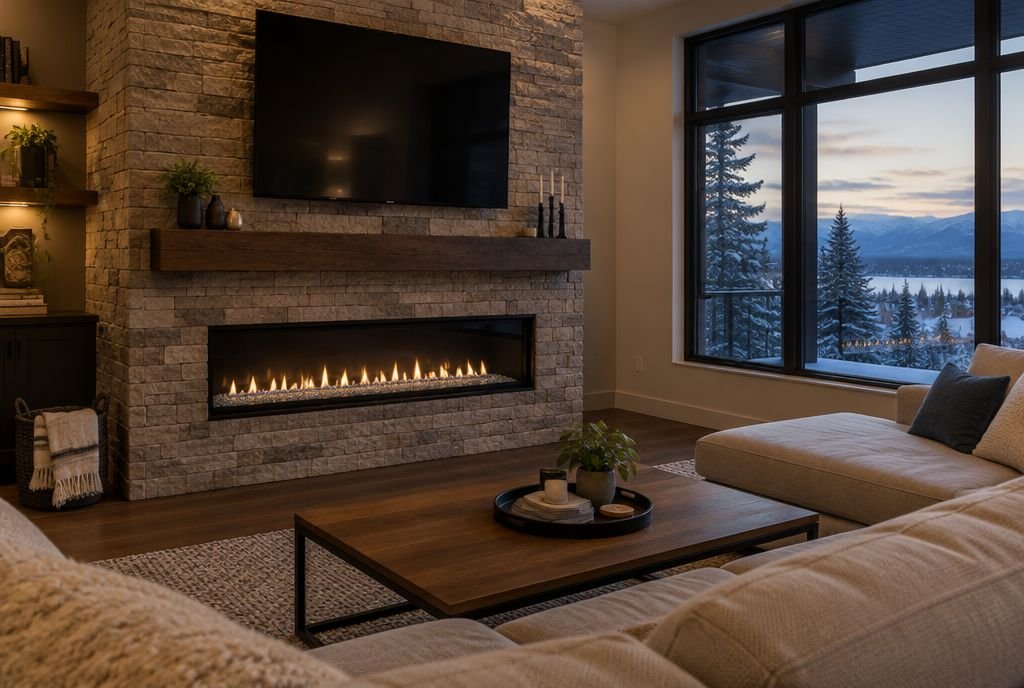
An original mantel or tiled surround is often the focal point of an older living room. Even if you never burn wood again, it is worth keeping. A gas insert can go into the old firebox, and our fireplace guide explains how. Have the chimney inspected before any fireplace is used again.
Plaster, tile and fixtures
Sound plaster walls are hard, quiet and solid, and patching them is often better than tearing them out. Old plaster and textured finishes can contain asbestos, so they should be tested before they are cut or sanded.
Hexagon floor tile, clawfoot tubs, cast iron sinks and original light fixtures can often be cleaned, reglazed or rewired and reused. Old light fixtures should be rewired by an electrician before they go back up.
What is usually not worth keeping
- Knob and tube or aluminum wiring that has not been assessed and repaired.
- Galvanized steel water pipes and cast iron drains near the end of their life.
- Vermiculite insulation and any material that tests positive for asbestos, unless it can be left sealed and undisturbed.
- Single pane aluminum windows from the 1970s and 1980s.
- Layouts that no longer work, such as a closed galley kitchen in a house where the family lives in that room. Keep the details, not the floor plan.
Heritage homes in Calgary
If your house is on the City of Calgary's inventory of historic resources, or has been designated, some changes may need approval and some support may be available. The City's heritage planning team can tell you what applies to your property before you design anything. For the approaches professionals use with historic buildings, Canada's Standards and Guidelines for the Conservation of Historic Places is the national reference.
Related guides
Read our guides to what builders find inside older homes, Calgary house styles by decade and how to research the history of your house.
Sources
- Health Canada: Lead-based paint
- Parks Canada and partners: Standards and Guidelines for the Conservation of Historic Places in Canada
- City of Calgary: Heritage planning
Checked October 29, 2026. Programs and rules change; confirm current details with the source before you rely on them.
Talk it through with Kay2
Every project starts with a complimentary consultation with one of our estimators.