
Why the decade matters
Building materials go in and out of fashion, and some turn out to be problems years later. Because houses from the same era were built with the same products, the year your house was built is one of the best predictors of what a renovation will find. Use the list below as a guide, not a diagnosis. Many older homes have been partly updated, and only testing or an inspection tells you for sure.
Before 1950
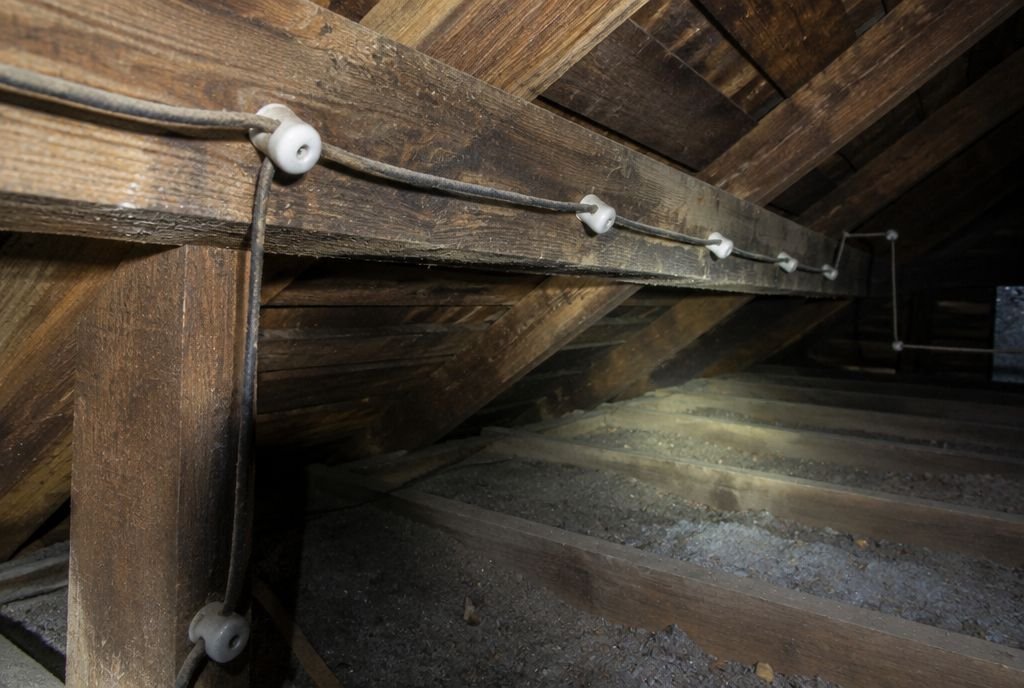
- Knob and tube wiring, single insulated wires run on porcelain knobs and through porcelain tubes, was common in Canadian homes into the 1940s. Many insurers ask about it, and some will not cover a house that still has it in use.
- Lead paint is likely. Health Canada says a home built before 1960 probably contains lead-based paint, inside and out.
- Plaster on wood lath walls, which can hide cracks and sags, and in some cases asbestos in the plaster or textured finishes.
- Galvanized steel water pipes that rust from the inside and lose pressure, and cast iron or clay drains.
- Little or no insulation, and electrical services of 60 amps or less with fuse panels.
The 1950s and 1960s
- Lead paint is still likely on anything painted before 1960.
- Asbestos is common in vinyl floor tiles and their adhesive, drywall joint compound, textured and stipple ceilings, pipe and duct wrap, and some siding.
- Galvanized supply pipes and cast iron drains are still normal.
- Aluminum branch wiring starts to appear in the mid 1960s.
- Vermiculite insulation may have been blown into the attic later, often during the federal home insulation program that ran from 1977 to the mid 1980s.
The 1970s
- Aluminum branch wiring. Ontario's Electrical Safety Authority says homes built from the mid 1960s to the late 1970s may have it. The metal itself is not the main worry. Loose or mismatched connections are, and a licensed electrician can repair or replace them.
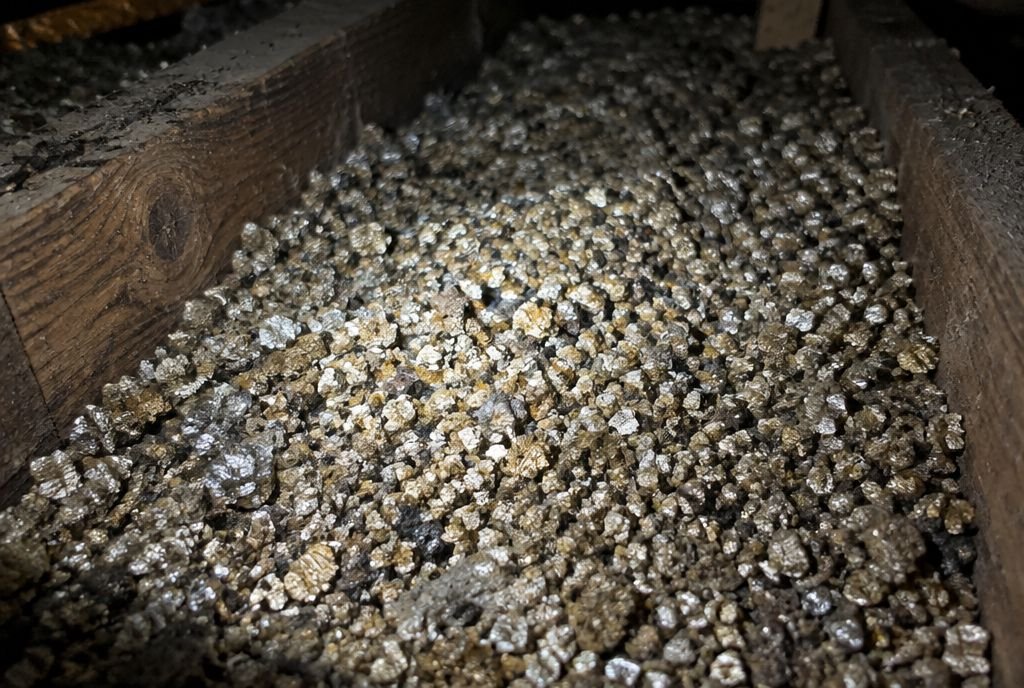
- Vermiculite insulation. Health Canada advises that vermiculite from the Libby mine in Montana, sold mostly as Zonolite, may contain asbestos, and that it is prudent to assume any vermiculite from before 1990 might. Leave it undisturbed and have it tested before work in the attic.
- Urea formaldehyde foam insulation, or UFFI, was used mostly in the mid 1970s and banned in Canada in December 1980. It is rare now, but it shows up in walls from time to time.
- Asbestos is still found in flooring, textured ceilings and drywall compound from this decade.
- Interior paint may still contain smaller amounts of lead, and exterior paint may contain more.
The 1980s and 1990s
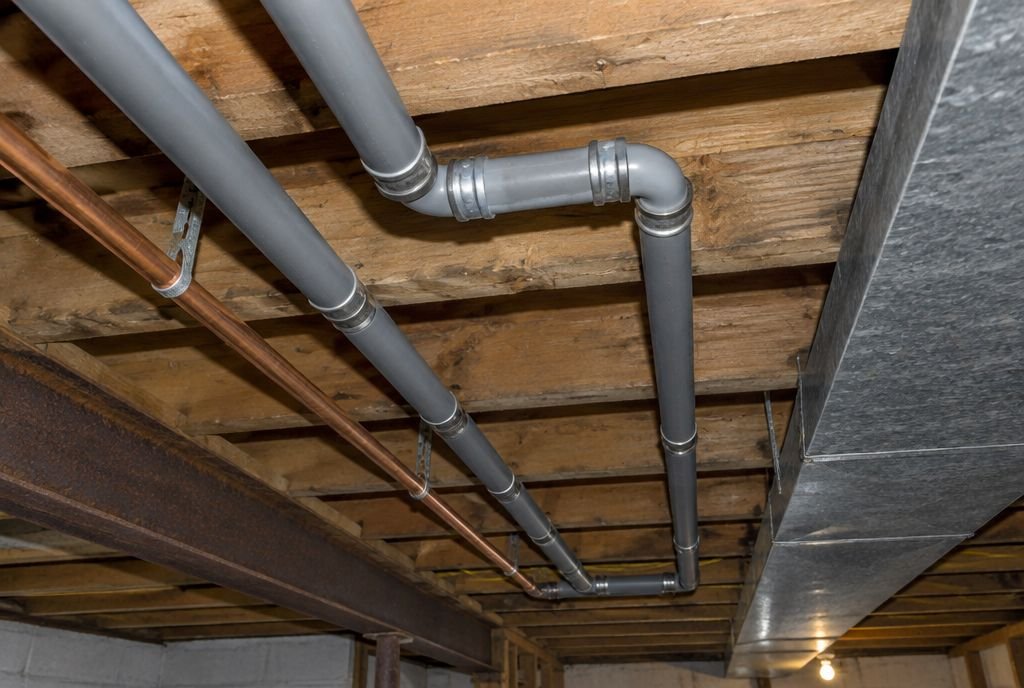
- Poly-B, a grey polybutylene water pipe, was installed in many Canadian homes from about 1978 into the mid to late 1990s. Fittings and pipe can fail without warning, and many insurers ask about it. Alberta has a large number of homes built in that window.
- Asbestos could still be present in some products until they were phased out, and Canada did not fully prohibit asbestos products until December 30, 2018.
- Health Canada says homes built between 1960 and 1990 may have lead in exterior paint and smaller amounts in interior paint.
- Early vinyl and aluminum windows with failing seals, fogged glass and drafty frames.
- Polyethylene vapour barriers and better insulation, so walls from this era are often in decent shape behind the drywall.
The 2000s
- Kitec plumbing, a plastic and aluminum pipe with brass fittings, was sold from 1995 to 2007 and used mostly for hot water heating and some water lines. It was the subject of a large class action settlement.
- Builder grade finishes and fixtures that are now 20 years old, such as tubs, shower valves and windows.
- Generally fewer hidden hazards. The usual finds are tired mechanical systems, leaks around windows and showers, and basements that were finished without permits.
At a glance
| Built | Common finds | What to do first |
|---|---|---|
| Before 1950 | Knob and tube, lead paint, plaster and lath, galvanized and cast iron pipe | Electrical assessment, lead safe work methods, plan for rewiring and repiping |
| 1950s and 1960s | Lead paint, asbestos in floors and ceilings, galvanized pipe, early aluminum wiring | Asbestos survey before demolition, electrical assessment |
| 1970s | Aluminum wiring, vermiculite, UFFI, asbestos | Test attic insulation, electrical assessment, asbestos survey |
| 1980s and 1990s | Poly-B, failing early windows, some asbestos | Check the water lines, plan window replacement |
| 2000s | Kitec, ageing fixtures and mechanicals | Check heating and water pipe, inspect showers and windows |
How to plan for it
Start with an inspection before design, not after demolition. Our before-you-renovate inspection checklist covers what to look at. In homes built before 1990, an asbestos survey should be done before any demolition, and our asbestos guide explains what that involves in Calgary.
Keep a contingency of 10 to 20 per cent in your budget for what the walls reveal, and ask your builder how surprises are handled. At Kay2, anything we find is shown to you and priced in a change order you sign before the work goes ahead. For more on planning around an older house, read our guide to renovating an older Calgary home and our guide to Calgary house styles by decade.
Sources
- Health Canada: Lead-based paint
- Health Canada: Vermiculite insulation that may contain asbestos (2004 advisory)
- Environment and Climate Change Canada: Prohibition of Asbestos and Products Containing Asbestos Regulations
- Electrical Safety Authority: Aluminum wiring
- CBC News: Kitec heating pipes class action
- City of Calgary: Asbestos abatement form
Checked October 29, 2026. Programs and rules change; confirm current details with the source before you rely on them.
Talk it through with Kay2
Every project starts with a complimentary consultation with one of our estimators.