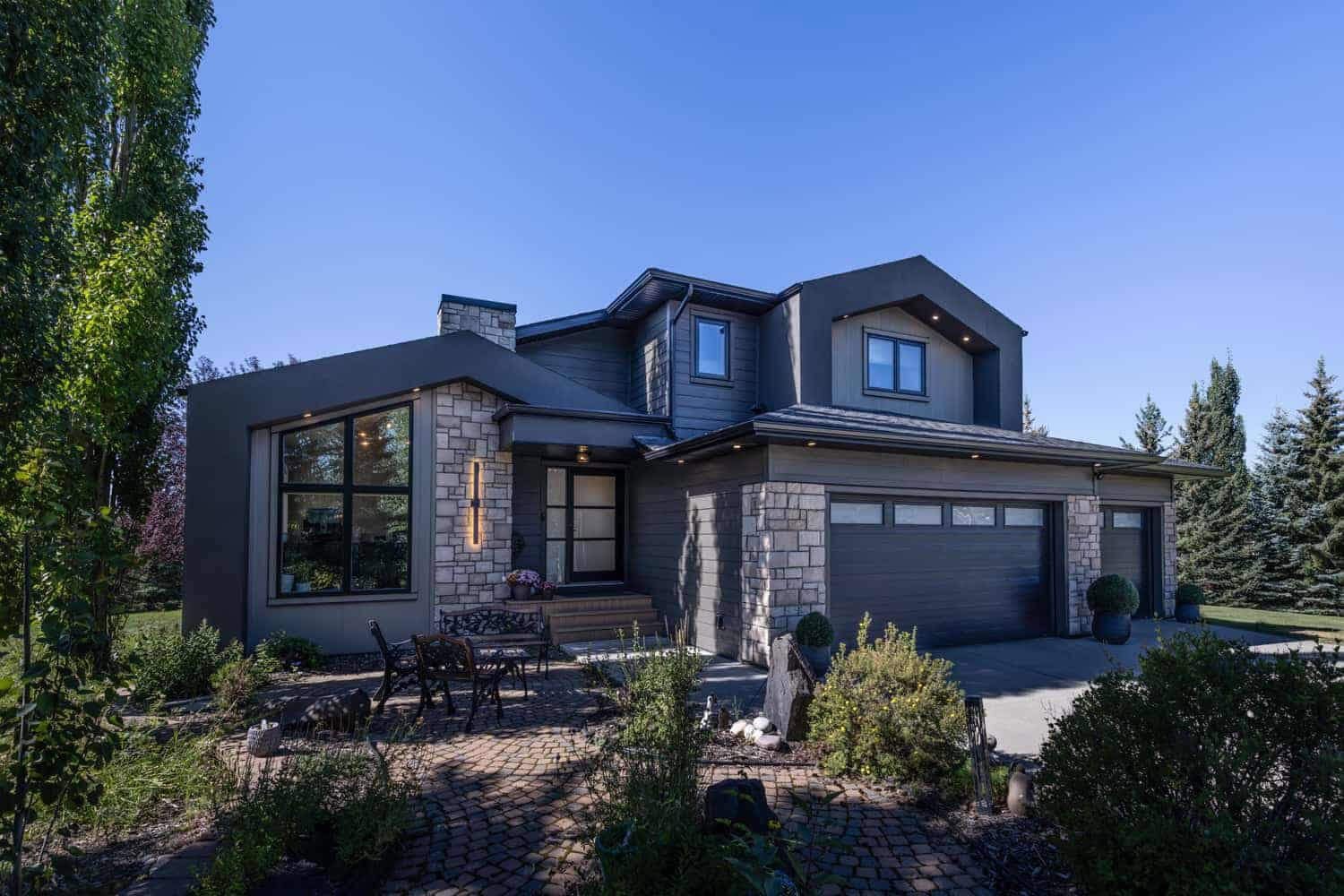

What a window has to do in a cold climate
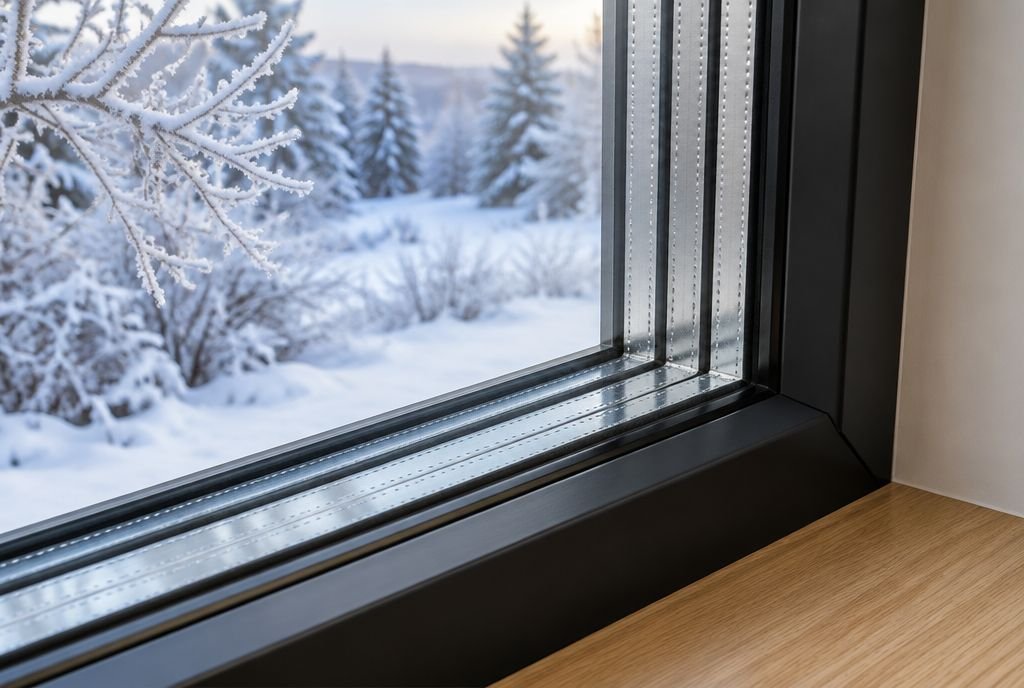
In a cold winter, a window has three jobs. Keep heat in, keep the inside surface of the glass warm enough that moisture does not condense on it, and stop cold air leaking around the frame. Older windows often fail at all three, which is why the area beside them feels drafty and why frost or water appears on the glass and sills on cold days.
Double vs triple pane
| Double pane | Triple pane | |
|---|---|---|
| Insulating value | Good with low-e coating and gas fill | Better, with a noticeably warmer inside pane |
| Condensation on cold days | More likely at high indoor humidity | Less likely, because the inner glass stays warmer |
| Comfort near the window | Some chill on very cold days | Little chill, so seating near windows is pleasant |
| Noise | Good | Usually better |
| Weight and frame | Lighter | Heavier, needs sturdier frames and hardware |
| Cost | Lower | Higher, often by a meaningful margin |
In long, cold winters, triple pane is often worth it for comfort and condensation alone, especially on large windows and the north side of the house. In milder climates, a good double-pane window with the right coating can perform almost as well for less.
Coatings, gas and spacers
- Low-e coatings are microscopically thin metal layers that reflect heat back into the room. Different coatings let in more or less of the sun's heat, so the right choice can depend on which way each window faces.
- Argon or krypton gas between the panes insulates better than air.
- Warm-edge spacers between the panes reduce the cold strip around the edge of the glass, where condensation usually starts.
- Look for the window's rated insulating value and an energy efficiency certification, and compare like with like.
Frame materials
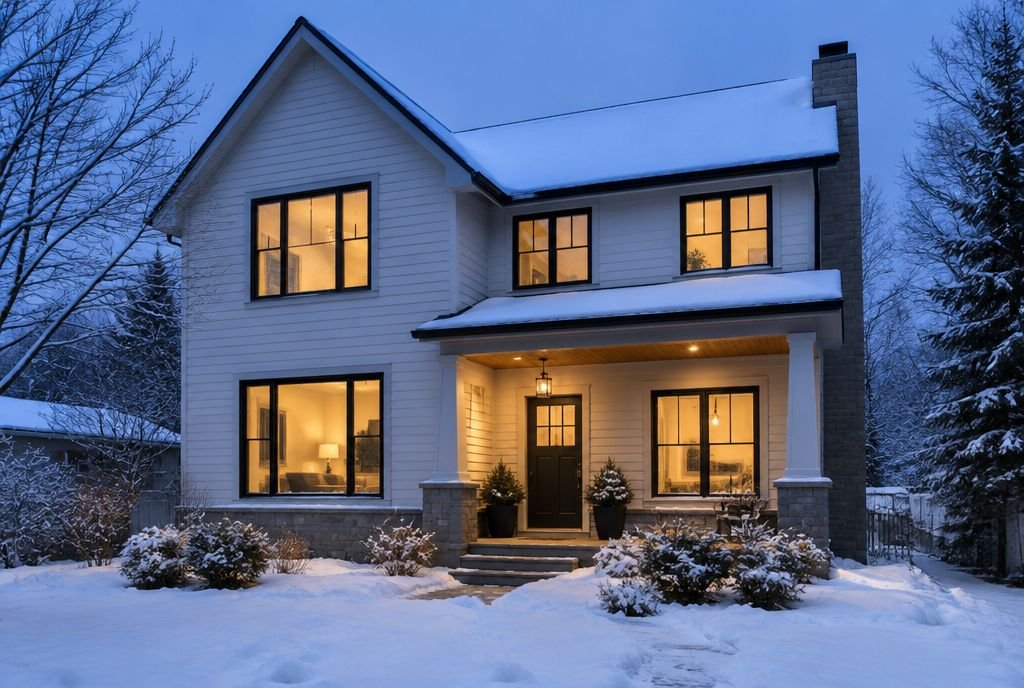
| Frame | Strengths | Watch for |
|---|---|---|
| Vinyl | Affordable, good insulator, low maintenance | Can move with temperature, limited dark colours on some lines |
| Fibreglass | Strong, stable in cold, paintable, slim frames | Higher cost |
| Wood or aluminum-clad wood | Warm look inside, durable cladding outside | Highest cost, the wood inside needs care |
| Aluminum | Very slim and strong | Conducts heat, so choose thermally broken frames only in cold climates |
Installation matters as much as the window
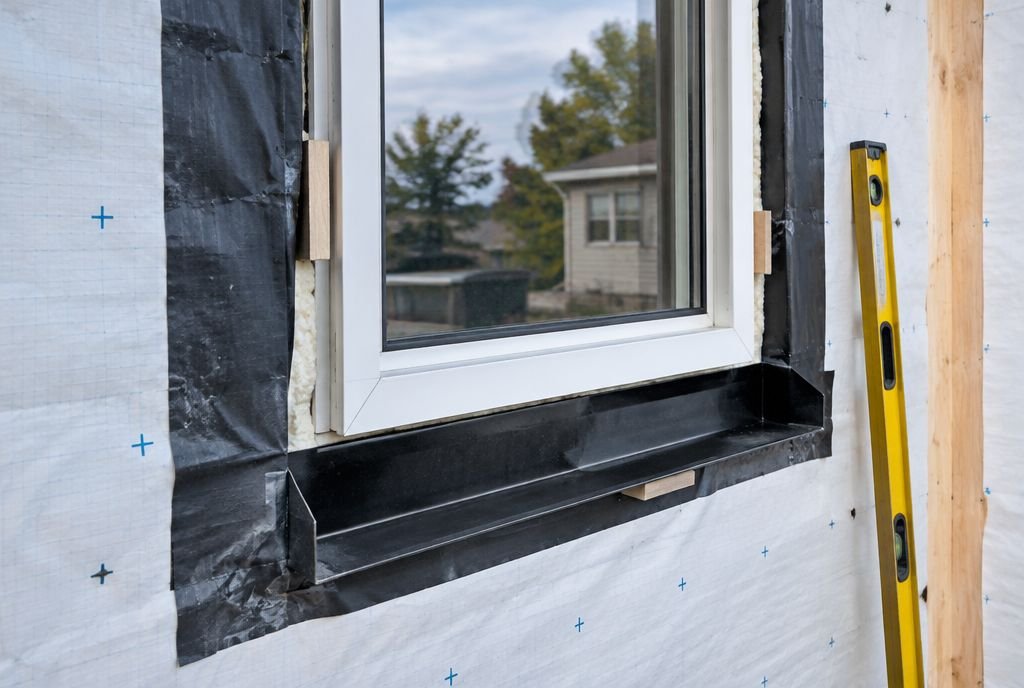
A well-made window installed poorly will leak air and water. Good installation means a sloped sill pan or flashing that sends any water back outside, flashing tape lapped correctly with the house wrap, low-expansion foam or backer rod and sealant to air-seal the gap, and the window set level, square and plumb so it opens and locks properly. Ask your installer to show you how they flash and seal a window.
Insert or full-frame replacement
An insert replacement fits a new window inside the existing frame. It is quicker and disturbs less trim and siding, but you lose some glass area, and any hidden rot or air leaks around the old frame stay. A full-frame replacement removes everything down to the rough opening, so the flashing, insulation and air seal can be done properly. It costs more and pairs naturally with new siding. Our hail-resistant exterior guide covers doing windows with the rest of the exterior.
Condensation is about humidity too
Even the best window will collect condensation if the indoor air is very humid on a very cold day. Better windows let you keep a comfortable humidity level without water on the glass. Our guide to hard water and dry air explains how to find the balance, and an HRV keeps fresh air moving.
Rules, egress and permits
Bedroom windows must be large enough to escape through, which matters most in basements. Replacing windows with the same size usually needs no building permit in many cities, but making openings larger or adding new ones affects the structure and often needs one. Check your local rules, and see our permit guide.
Paying for it
Energy upgrades such as windows may qualify for rebates, tax credits or financing programs, which change from year to year. Our guide to energy upgrade financing covers the current options for Calgary homeowners, and our exterior renovations page shows how Kay2 handles windows within a full exterior.
Talk it through with Kay2
Every project starts with a complimentary consultation with one of our estimators.