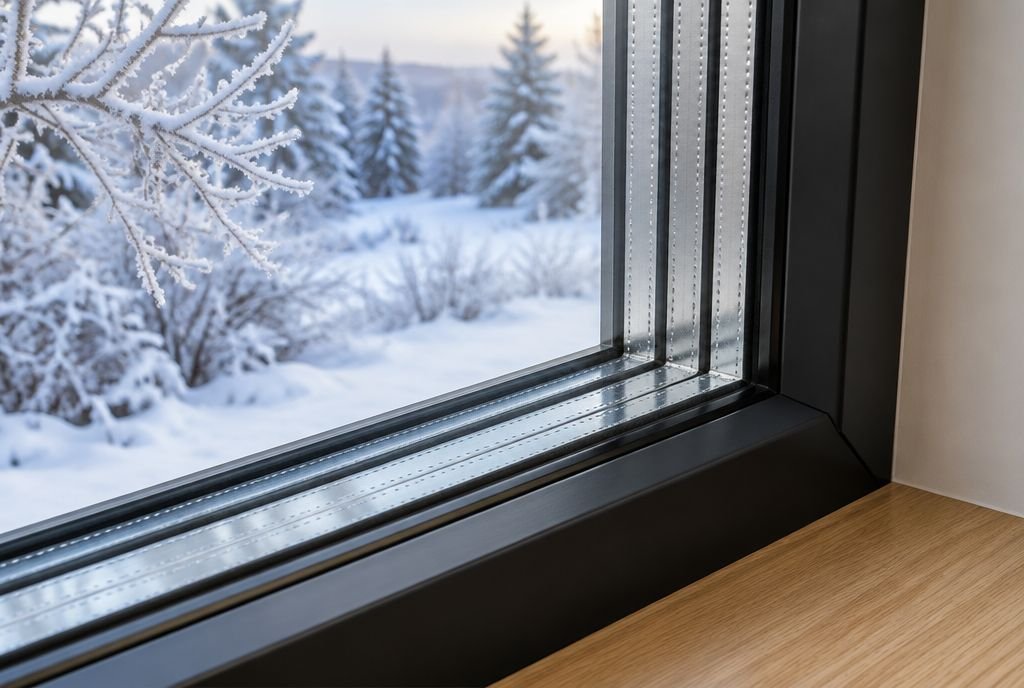


What a chinook is
A chinook is a warm, dry wind that comes down the eastern side of the Rockies. It can lift the temperature by 20 or 30 degrees in hours and melt a week of snow in an afternoon, under the band of clear sky Calgarians call the chinook arch. Environment Canada has estimated that Calgary gets around 25 chinook days in a typical winter, roughly one every three or four days. Then the cold usually returns, and everything that melted freezes again.
Why the swings are hard on houses
Materials grow and shrink with temperature and moisture. A house in a steady cold climate moves once a season. A Calgary house can move many times a month. Water from melting snow finds its way into gaps, then freezes and widens them. Dry chinook winds pull moisture out of wood and drywall. Over years, those repeated cycles are what crack, lift and leak.
Ice dams and roofs

When warm air leaks from the house into the attic, it warms the roof deck and melts the snow from below. The water runs down to the cold eaves and freezes into a ridge of ice, and the next melt backs up behind it and under the shingles. Chinooks speed this up. The real fix is in the attic, with air sealing around lights, fans and hatches, enough insulation and clear ventilation from soffit to roof. A self-adhered ice and water membrane along the eaves, used under shingles in cold climates, adds protection. Our hail-resistant exterior guide covers roofing materials.
Water around the foundation
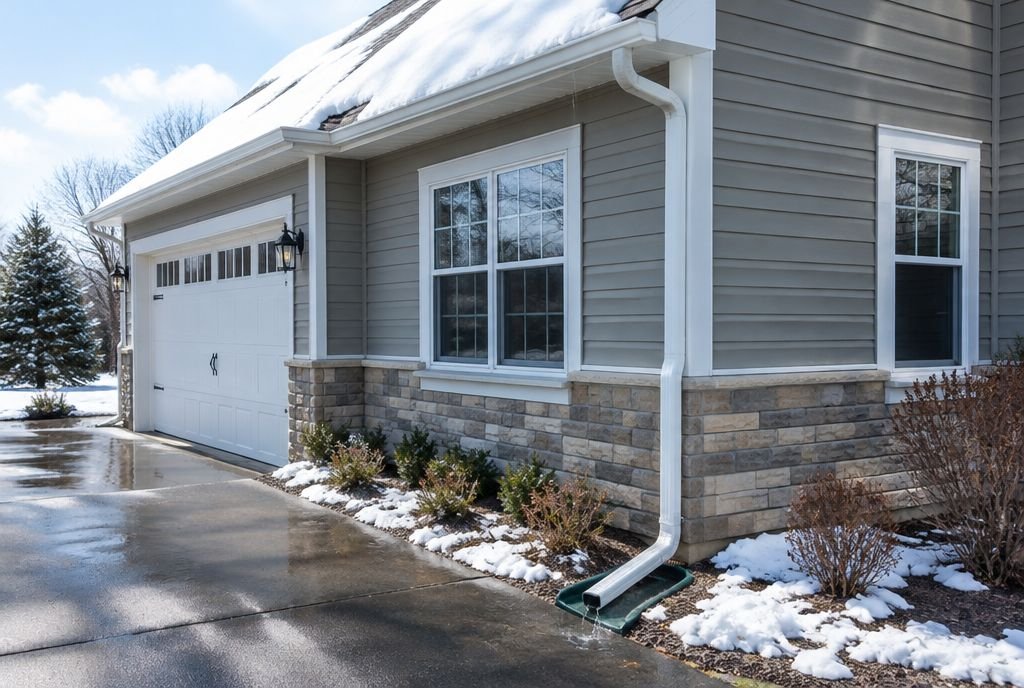
A chinook can send a lot of meltwater at the foundation while the ground below is still frozen, so it has nowhere to soak in. That is when many basements take on water in winter. Keep gutters clear, extend downspouts well away from the house, make sure the ground slopes away from the walls, and keep the sump pump and backwater valve in working order. Our flood prevention guide goes through each step.
Cracks, nail pops and sticking doors
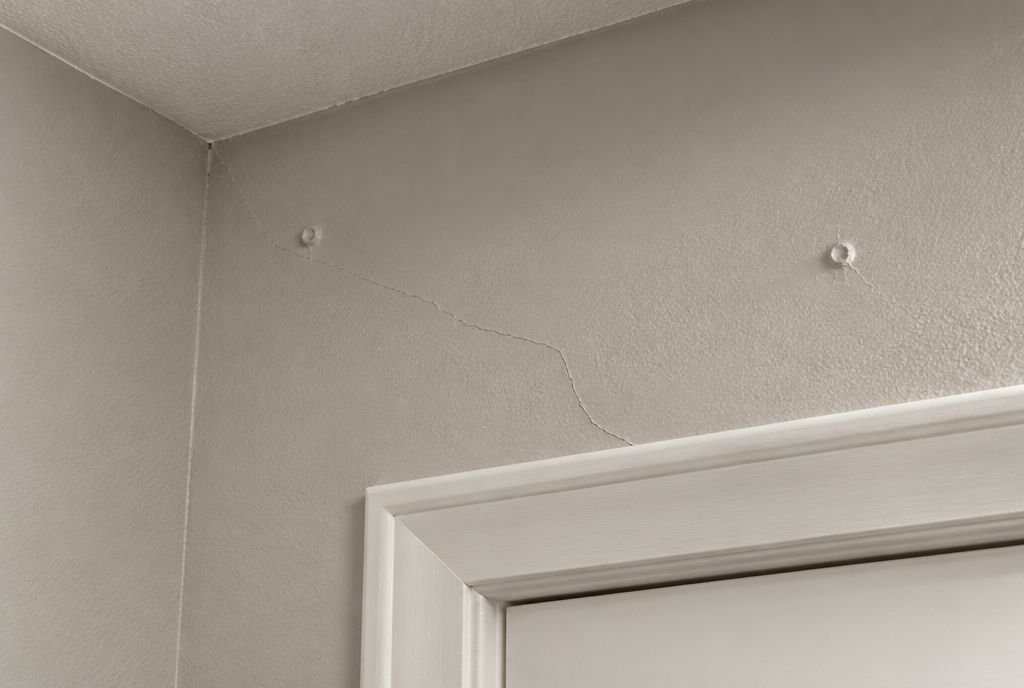
Hairline cracks above doors and windows, nail pops in drywall and doors that stick for a few weeks are common in Calgary homes, and most are seasonal movement rather than a structural problem. Roof trusses can also lift slightly in winter as the top and bottom of the truss sit at different temperatures and moisture levels, pulling at ceiling joints near interior walls. Flexible caulks at those joints and patience through the first year after a renovation help. Wide cracks, cracks that keep growing or floors that slope are worth having a professional look at.
Exteriors, decks and concrete
- Paint, stain and sealants work hardest in freeze and thaw. Quality, flexible sealants and good prep make finishes last longer.
- Fibre cement, engineered wood and good vinyl siding cope with temperature swings when installed with the right gaps and fasteners.
- Concrete driveways and steps can flake and spall when water soaks in and freezes. Sealing concrete and using de-icers sparingly help.
- Decks need fasteners and flashing that keep water away from the ledger board where the deck meets the house.
Building for chinook country
- Air seal and insulate the attic before re-roofing or finishing the top floor.
- Use an ice and water membrane at the eaves and in valleys when roofing.
- Detail windows with proper sill pans and flashing. See our windows for cold climates guide.
- Choose engineered wood floors and stable materials that tolerate dry air. Our hard water and dry air guide explains why.
- Plan drainage, downspouts and grading as part of any exterior or landscaping project.
- Expect a few touch-ups after the first winter in a newly renovated home. It is normal as new framing and finishes settle.
Related guides
For winter projects, read our guide to renovating in winter. For the terms in this guide, see our renovation dictionary, and for a full check of your home before a project, use our before-you-renovate inspection checklist.
Sources
Checked October 25, 2026. Programs and rules change; confirm current details with the source before you rely on them.
Talk it through with Kay2
Every project starts with a complimentary consultation with one of our estimators.