
The risk is growing
Basement water in Calgary usually comes from three places, namely sewer backup during heavy rain, groundwater seepage through the foundation, and poor drainage around the house. The City expects rainstorms lasting less than a day to carry about 28% more water by the 2050s, so stormwater flooding is likely to become more common.
What the City recommends
- Point downspout extensions at least 1.5 m away from your house, and not toward a neighbour's property.
- Grade the ground so it slopes away from the foundation, especially after construction or landscaping.
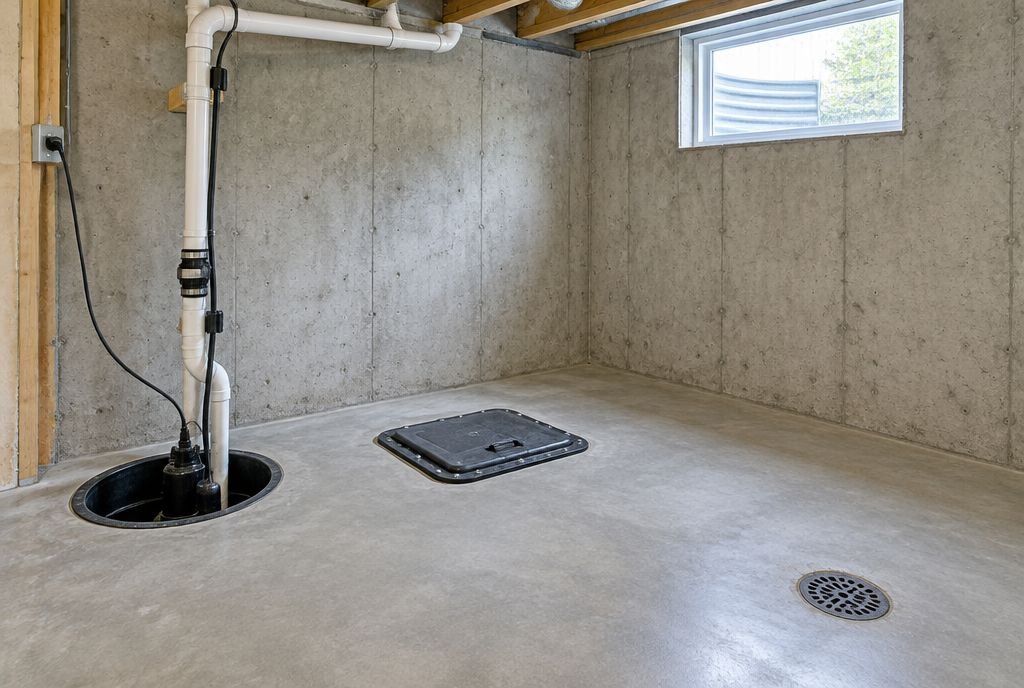
- Install a sump pump with a backup power source, and add water alarms in the basement.
- Install a backflow prevention device (a backwater valve) on your sewer line to protect against sewage backup in extreme rain.
- Repair cracks in the basement foundation.
- Keep eavestroughs and gutters clear of needles and leaves.
Do it before you finish the basement
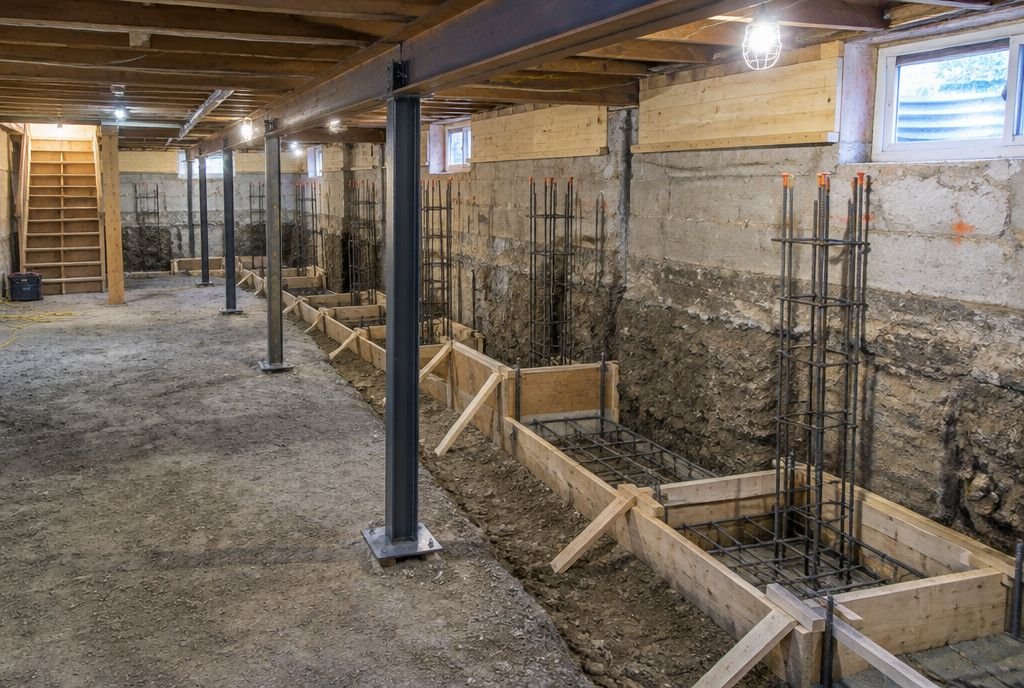
Every one of these fixes is easier and cheaper while the basement is still unfinished. A backwater valve means cutting the slab; foundation cracks are easiest to repair from the inside before framing; and a sump pit is far simpler to place before flooring goes down.
If the basement will include a secondary suite, the backflow protection has to be designed for two dwelling units. The City has reminded builders that a normally open backwater valve may serve only one dwelling unit.
Why basement floors crack
Concrete shrinks as it cures, so fine hairline cracks in a basement slab are common and usually cosmetic. Many Calgary neighbourhoods also sit on clay soils that swell when they are wet and shrink when they dry out, and that movement can push a slab or foundation wall around over the years.
Watch for cracks that keep getting wider, that are higher on one side than the other, or that let water in, and for doors upstairs that start to stick. Those are worth having an engineer look at before you finish the basement. Good drainage around the house helps too, because it keeps the soil under and beside the foundation at a steadier moisture level.
Choose materials that forgive a little water
No basement is guaranteed dry. Moisture-tolerant flooring, a proper vapour strategy and accessible cleanouts make a small leak an inconvenience rather than a rebuild. Ask your designer how the finishes will cope if water ever gets in.
A note on river flooding
The City is clear that these measures reduce damage from heavy rain but will not fully protect a home from river flooding. If you are near the Bow or Elbow, check the City's flood maps and your insurance coverage before you invest in the basement.
Start with an assessment
Kay2's Moe Saghir covers grading, downspouts and sump pump checks in one of our short videos. When Kay2 plans a basement development, drainage and backflow protection are part of the first site visit, before any design work starts.
Sources
- City of Calgary: Climate hazards, heavy rain and flooding
- City of Calgary Building Services advisory: Secondary suites, backwater valves and protection from backflow (Oct 2022)
Checked October 5, 2026. Programs and rules change; confirm current details with the source before you rely on them.
Talk it through with Kay2
Every project starts with a complimentary consultation with one of our estimators.