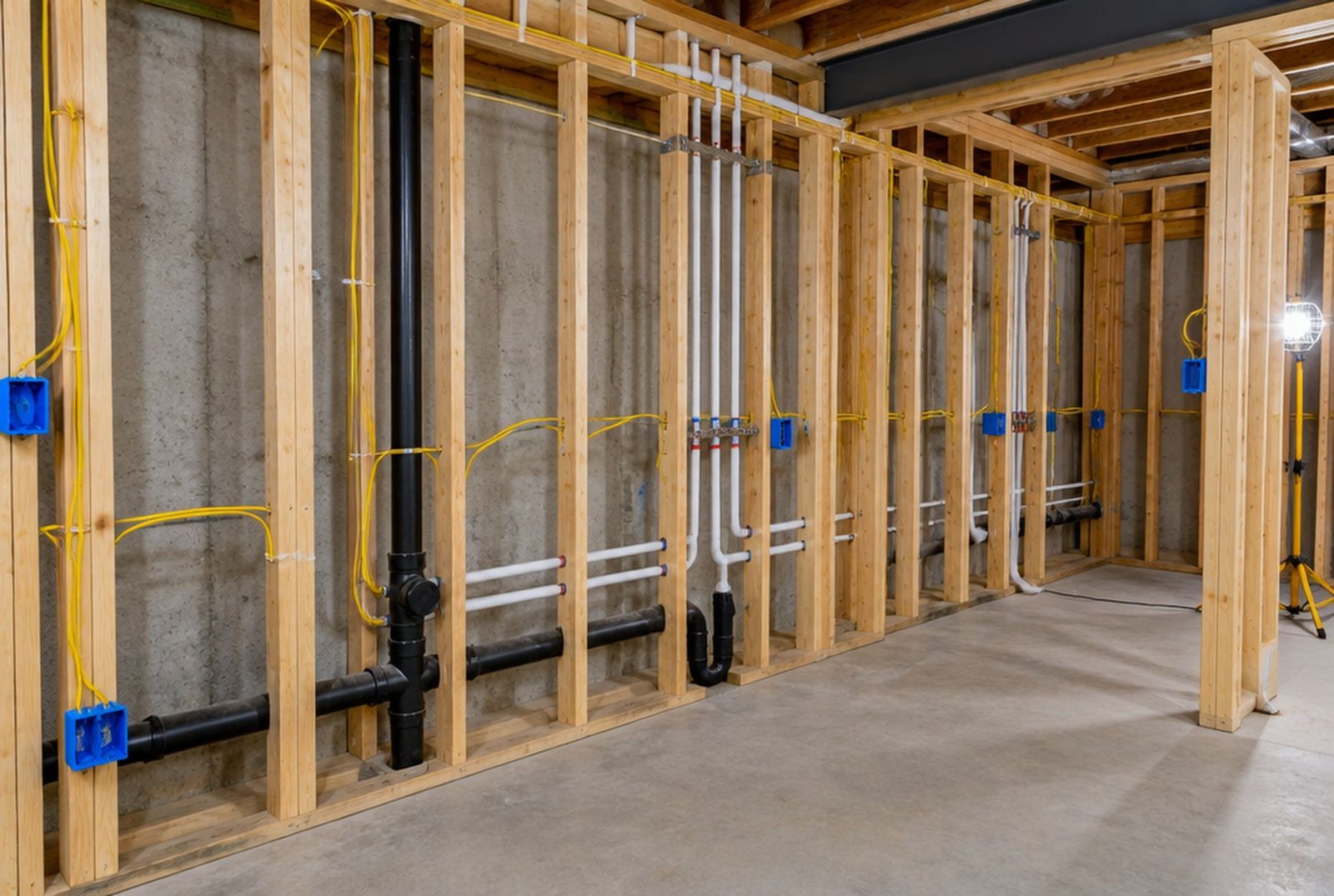

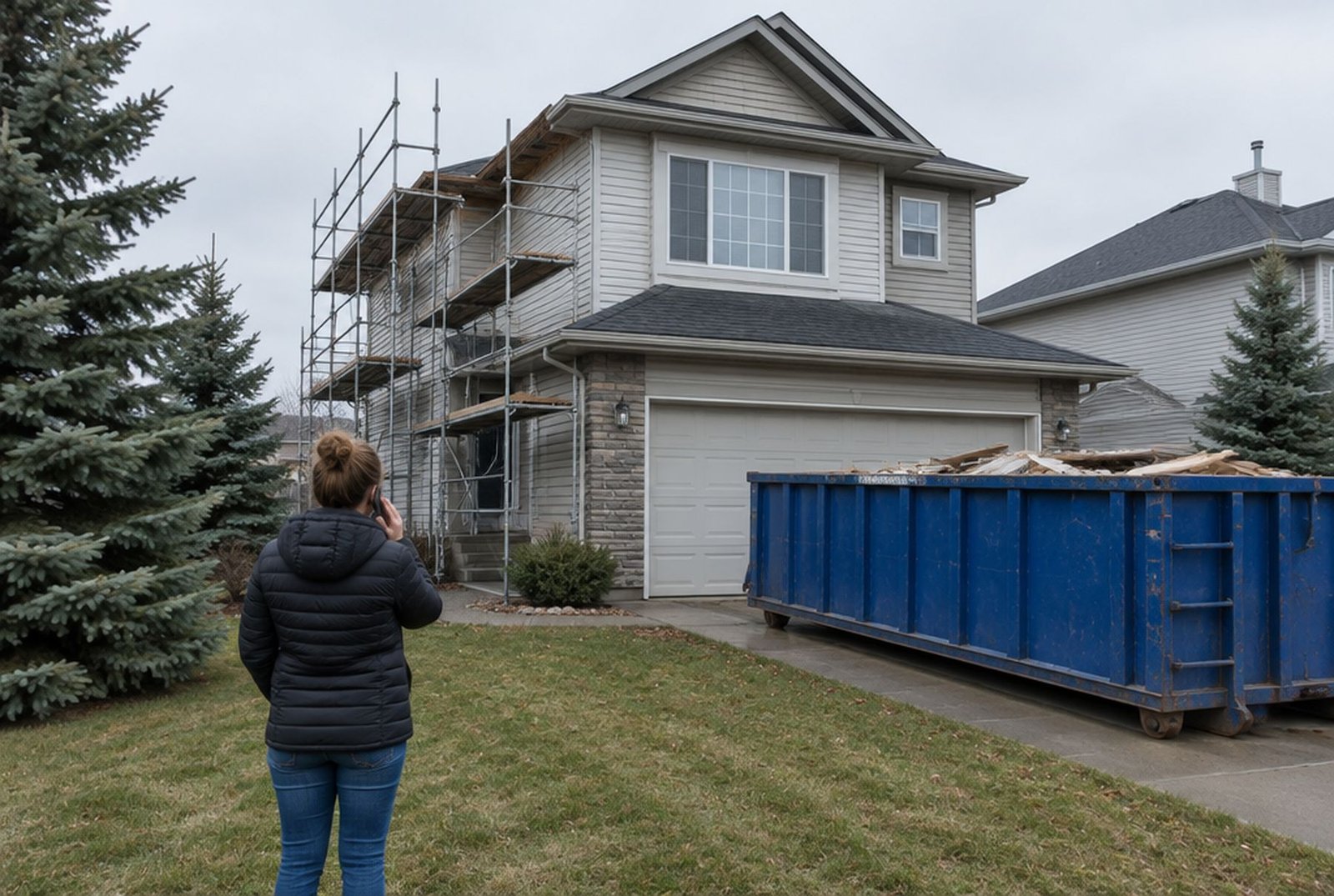
The short answer
Your home insurance may cover some things during a renovation, but you should not assume it covers everything. Standard home policies are designed for occupied homes, as the Insurance Bureau of Canada has pointed out, and a renovation changes how the house is used and how likely a loss is.
Call your insurer or broker before work starts, tell them what is being done and whether you will be living there, and ask what changes. Make sure your contractor carries liability insurance and workers' compensation. For a large project, ask about builder's risk insurance. When the work is finished, update your coverage so the new value of the house is protected.
Why you should tell your insurer before you start
A home policy is based on what the insurer knows about your house. A major renovation, a house left empty for weeks, or a new suite downstairs all change that picture. If something happens and the insurer was not told, a claim can be reduced or denied.
The Insurance Bureau of Canada advises homeowners to notify their insurer before work begins and to ask for the full exclusions section of their policy. It is a five-minute call that can save a lot of trouble.
- What work is being done, and roughly what it costs.
- When it starts and how long it should take.
- Whether you will live in the house during the work.
- Who is doing the work, and whether they are licensed and insured.
- Whether the renovation adds a suite, a pool, a wood stove or anything else that changes the risk.
Moving out, and the 30-day vacancy rule
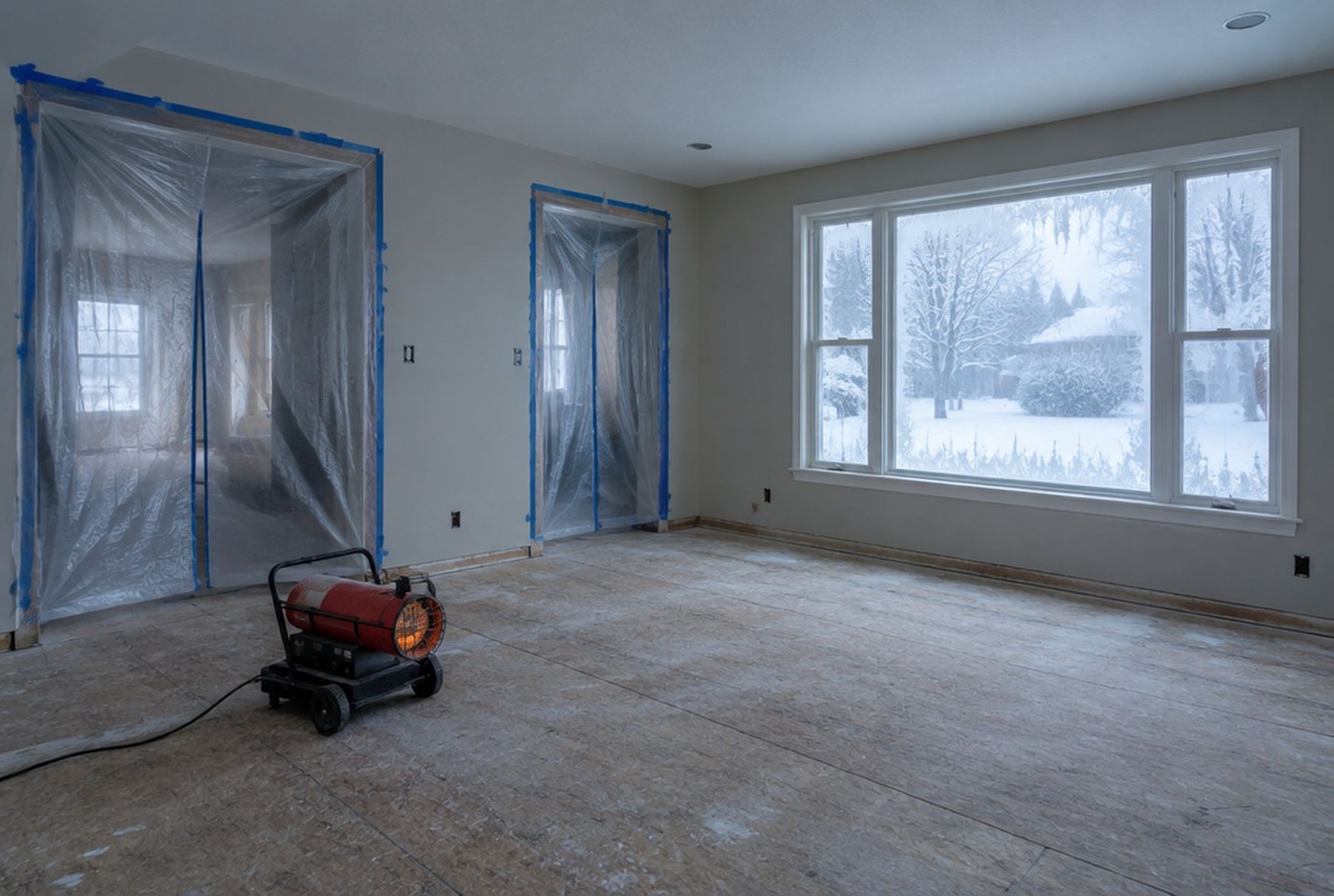
This is the rule that catches most people. According to the General Insurance OmbudService, most insurers consider a home vacant after 30 consecutive days, though the exact period depends on the policy. When a home is vacant, some coverage can be limited or suspended unless you have a vacancy permit, an endorsement or a separate policy.
Many families move out for the heaviest part of a major renovation, which can easily run longer than a month. If you will be away, ask your insurer what they need. Some want someone to check the house regularly, especially in winter, when frozen pipes are the classic loss. The Insurance Bureau of Canada warns that freezing damage may not be covered if the house is left during the heating season without the plumbing drained or regular checks.
What your home policy usually does not cover
- Poor workmanship is the big one. If a contractor does the job badly, putting it right is generally not covered by your home policy. That is a matter between you and the contractor, which is why the contract, the warranty and holdbacks matter.
- Damage to the work in progress and stored materials, unless your policy or a separate builder's risk policy includes them.
- Losses linked to work done without required permits, which some insurers treat differently.
- Theft of tools and materials that belong to the contractor. Those are the contractor's to insure.
Every policy is different. Ask your insurer to confirm in writing how your renovation affects coverage.
Builder's risk insurance
Builder's risk, also called course of construction insurance, covers the structure being built and the materials and supplies for it, for example if a fire or a storm damages the half-finished work. The Insurance Bureau of Canada notes that a contractor's general liability policy generally does not cover damage to the project itself, so that risk stays with the homeowner unless it is separately insured.
It is most common for large projects, such as additions, second storeys and whole-home renovations, especially when the house will be empty. It can be bought by the homeowner through a broker, or sometimes arranged by the contractor and included in the price. Ask early, because some insurers require it before they will keep covering a house that is mostly gutted.
What your contractor should carry

- Commercial general liability insurance, which covers injury to other people and damage to their property, including your house, caused by the contractor's work. Ask for a certificate of insurance and check the amount and the expiry date. Kay2, for example, carries $5 million in liability coverage.
- Workers' compensation coverage for their workers. In Alberta, ask for a WCB clearance letter, which shows the contractor's account is in good standing. If an uninsured worker is hurt on your property, it can become your problem.
- A prepaid contracting licence in Alberta, if they take any money before the work is done. Our guide to paying a contractor in Alberta explains it.
- Proof that subcontractors are covered too, or that the contractor's policy covers them.
Our guide to choosing the right renovation contractor lists the other checks worth making.
If you do the work yourself
Do-it-yourself work is where insurance problems are most likely. If you cause a fire, a flood or an injury, your insurer will want to know the work was permitted and done to code. Electrical, gas and most plumbing work need permits and, in many cases, a licensed trade. If a friend helps and gets hurt, your liability coverage may be involved. Call your insurer before you start a big DIY job.
Adding a suite or a rental
A secondary suite changes your insurance a lot. A home with a tenant usually needs different coverage, and a suite that was never permitted can complicate a claim. Tell your insurer before a tenant moves in. If you have an older suite that was never permitted, our guide to legalizing an existing basement suite in Calgary explains how to fix that.
After the renovation, update your policy
- Tell your insurer the work is finished.
- Update the replacement cost. A new kitchen, a finished basement or an addition can add tens or hundreds of thousands of dollars to what it would cost to rebuild.
- Ask about discounts. Upgraded wiring and plumbing, a new roof, impact-resistant roofing in hail areas, a backwater valve or a monitored alarm can lower premiums with some insurers. Our hail-resistant exterior guide and our backwater valve guide cover two common ones.
- Keep a file with permits, final inspection reports, invoices, product warranties and before-and-after photos. You may need them for a claim or a sale.
Questions people ask
- Does home insurance cover damage caused by my contractor? The contractor's liability insurance is normally the first place to go. Your own policy may respond in some cases, so report it to both.
- Will my premium go up during the renovation? Sometimes, especially if the house is empty or a builder's risk policy is needed.
- Is my stuff covered if it is in storage? Often partly, but check. Some policies limit coverage away from the home.
- Do I need to tell my insurer about a small renovation? For painting or new flooring, usually not. For anything structural, anything involving wiring, plumbing or gas, or anything that means moving out, yes.
A good renovation protects your coverage
Permits, inspections, licensed trades and good records are what insurers want to see. Kay2 is bonded, carries $5 million in liability insurance, pulls every permit and books every inspection on our Calgary projects. If you are planning a renovation in the area, book a consultation and we can talk through the timing so you know what to tell your insurer.
Sources
- Insurance Business: Spring renovation boom exposes coverage gaps in standard home policies (Insurance Bureau of Canada)
- Insurance Business: Few Canadians check home insurance before leaving properties empty, survey finds (General Insurance OmbudService, 30-day vacancy)
- Canadian Underwriter: Many Canadians unaware of a home renovation's impact on insurance policy
- Government of Alberta: Prepaid contracting licence
Checked November 12, 2026. Programs and rules change; confirm current details with the source before you rely on them.
Talk it through with Kay2
Every project starts with a complimentary consultation with one of our estimators.