
What a backwater valve does
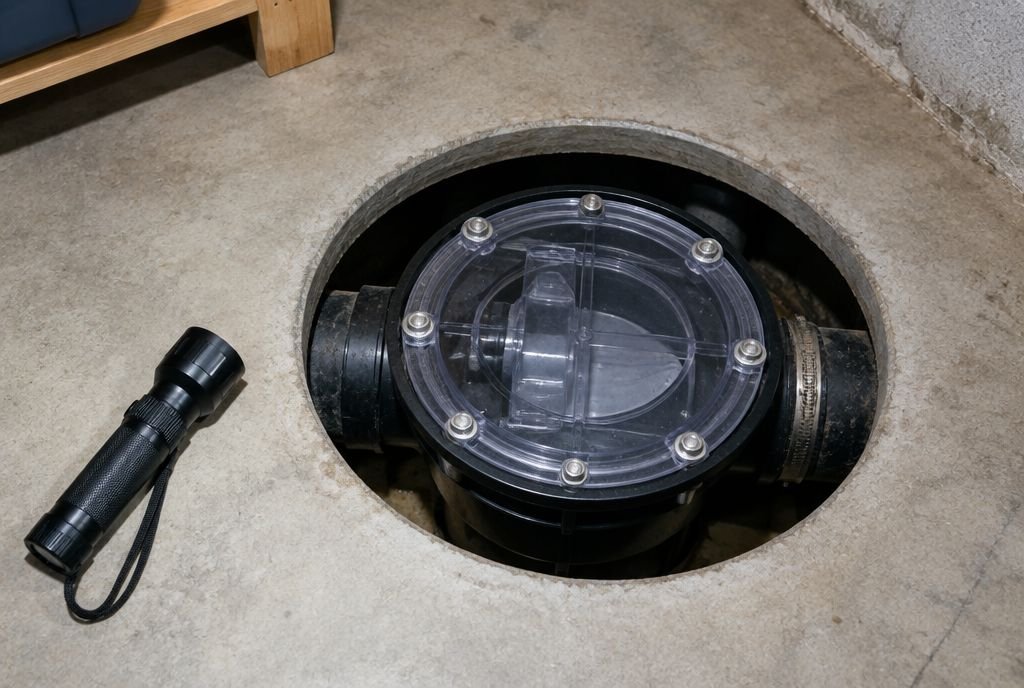
A backwater valve sits on the main sewer line where it leaves your house. It lets water flow out to the City sewer and closes if sewage starts to flow back in. When a heavy rainstorm or a blockage overloads the sewer system, that backflow can come up through floor drains, toilets and showers in the basement. The City of Calgary calls the backwater valve the most common form of backflow protection for homes.
Who needs one
Any home with plumbing fixtures or a floor drain in the basement can be at risk, and the risk is higher in older neighbourhoods, low-lying areas and homes that have flooded before. If you are finishing a basement, adding a bathroom down there or creating a secondary suite, a backwater valve is close to essential. The City has published guidance on backflow protection for secondary suites, and your plumber will know what applies to your house.
If you are not sure whether you already have one, look for a round or square access cover in the basement floor, usually near the front of the house where the sewer line leaves.
How it is installed
A licensed plumber cuts and removes a section of the basement slab, digs down to the sewer line, installs the valve with an access box so it can be inspected, and patches the floor. A plumbing permit is required. The City's guidance notes that the pipe should slope toward the City sewer at a grade of at least 2 per cent.
Some homes use one valve on the main line. Others protect individual basement fixtures, such as a shower or toilet, with their own valves. The cost depends on how deep the line is, what is in the way and whether the floor is finished, so get a quote before you design the basement.
Do it before the basement is finished
Cutting into a concrete floor under new carpet, tile and walls is messy and expensive. If a basement development or a bathroom is coming, add the valve first and plan the layout so the access cover stays reachable, not buried under a cabinet or a built-in. Our guide to basement development costs covers the rest of the budget.
Looking after it
- Follow the manufacturer's instructions and inspect it periodically. The City suggests removing the cap and checking that the flapper moves freely, the gasket is in good shape and nothing is caught in it.
- Keep the access cover clear and easy to reach.
- During a sewer backup, when the valve is closed, water you run in the house cannot leave either. Avoid running taps, showers, the dishwasher and the washer until the backup clears, or the water can come up inside.
- Call a licensed plumber for any repair.
Pair it with these
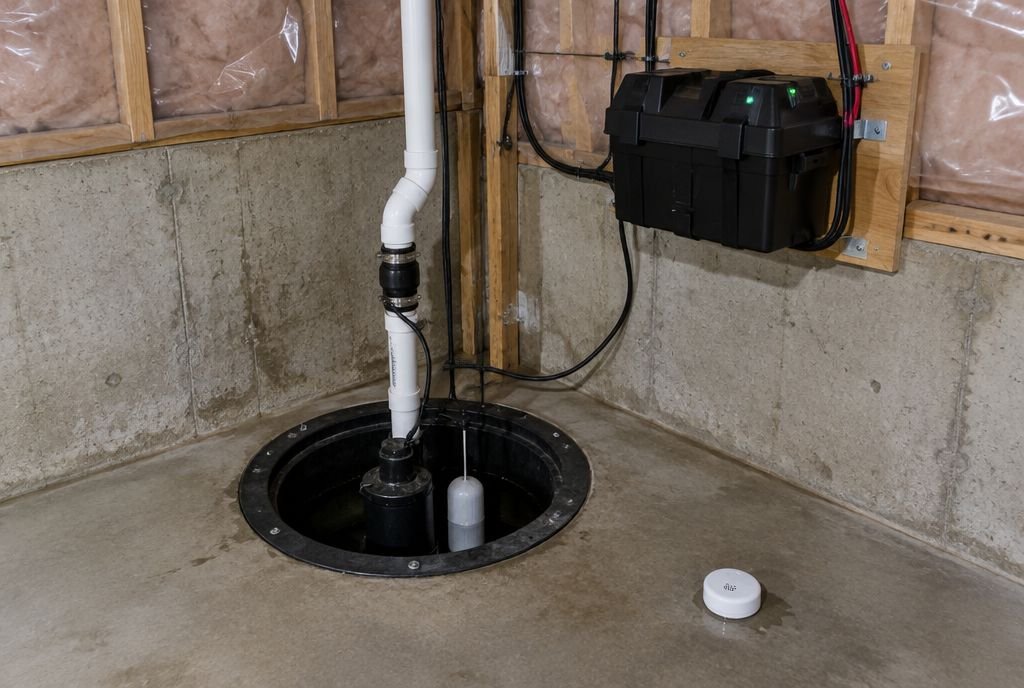
- A sump pump with a battery backup, if your house has a sump pit.
- Water leak alarms near floor drains, the water heater and the laundry.
- Downspouts that carry water well away from the foundation, and ground that slopes away from the house.
- Sealed foundation cracks and window wells that drain.
- A call to your insurer to confirm what your policy covers for sewer backup and for groundwater, which are often treated differently.
Related guides
Read our guide to what chinooks do to Calgary homes for spring melt, and our before-you-renovate inspection checklist to check the basement before you plan.
Sources
- City of Calgary: Climate ready measures, drainage and water management
- City of Calgary: Climate hazards, heavy rain and flooding
- City of Calgary Building Services advisory: Secondary suites, backwater valves and protection from backflow (Oct 2022)
- City of Calgary: Plumbing and gas permits
Checked November 7, 2026. Programs and rules change; confirm current details with the source before you rely on them.
Talk it through with Kay2
Every project starts with a complimentary consultation with one of our estimators.