Start with your own brief
Before you call anyone, write down what you want to change, why, roughly what you hope to spend and when you would like the work done. Note the things you are not willing to give up and the things you could live without.
It does not need to be perfect. A one page brief means every contractor quotes on the same project, which is the only way to compare their prices fairly. It also tells you quickly who is listening and who is selling.
Where to find good contractors
- Ask neighbours, friends and family who have renovated in the last few years, and ask to see the work if they will let you.
- Look at members of BILD Calgary Region and RenoMark. Both expect their members to follow a code of conduct.
- Look at the BILD Calgary Region and CHBA award winners and finalists. Those projects have been judged by industry peers.
- Read Google reviews, but read the detail rather than the star rating. Look at how a company responds when a review is critical.
- Be careful with anyone who finds you, rather than the other way around. Door-to-door offers are one of the most common ways homeowners in Calgary get taken advantage of.
Check the basics before you go further
These checks take about half an hour and rule out most of the problems we hear about from homeowners.
- A City of Calgary business licence. Contractors need one to pull construction and trade permits, and you can confirm it with the City's licensed trade contractor search.
- A provincial prepaid contracting licence if the contractor will take a deposit or progress payments before the work is finished. You can confirm it through Service Alberta's Consumer Contact Centre at 1-877-427-4088.
- Workers' compensation coverage. WCB Alberta lets you request a free clearance letter online with the contractor's account number or business name. Get one before work starts and again before each payment, because if a contractor falls behind on premiums you can be on the hook for them.
- Liability insurance. Ask for a certificate of insurance that covers property damage and injury for everyone on the job.
- Certified trades. Electricians, plumbers and gas fitters must be certified in Alberta. Ask who will do that work and whether they are employees or subcontractors.
- Permits. Ask who will apply for the building permit and book the inspections. A contractor who suggests you skip permits is telling you a lot about how they work.
Questions to ask at the first meeting
- How long have you been building in Calgary, and how many projects like mine have you finished?
- Can I see photos of similar work and speak to two or three clients from the last few years?
- Who will be my main contact during construction, and how often will I hear from them?
- Will you handle the design and drawings, or do I need to hire someone separately?
- Who pulls the permits and books the inspections?
- Which parts of the work will your own team do, and which will go to subcontractors?
- How do you handle changes once construction has started, and how are they priced?
- What warranty do you give on your workmanship, and what does it cover?
- What does your payment schedule look like, and how much is due before work starts?
- How long do you expect the project to take, and what usually causes delays?
How to compare quotes
Laying two or three quotes side by side is where most homeowners make their decision, and it is also where most surprises start. The lowest number is often low because something is missing.
Go through each quote line by line and check what is included. Look for allowances, which are placeholder amounts for things like tile, lighting or cabinetry that have not been chosen yet. A quote with small allowances can look cheaper and end up costing more once you make your selections.
Check what is excluded. Permits, drawings, engineering, disposal, final cleaning and repairs to areas the work touches are common gaps. If one quote includes design and another does not, add the cost of a designer to the second before you compare.
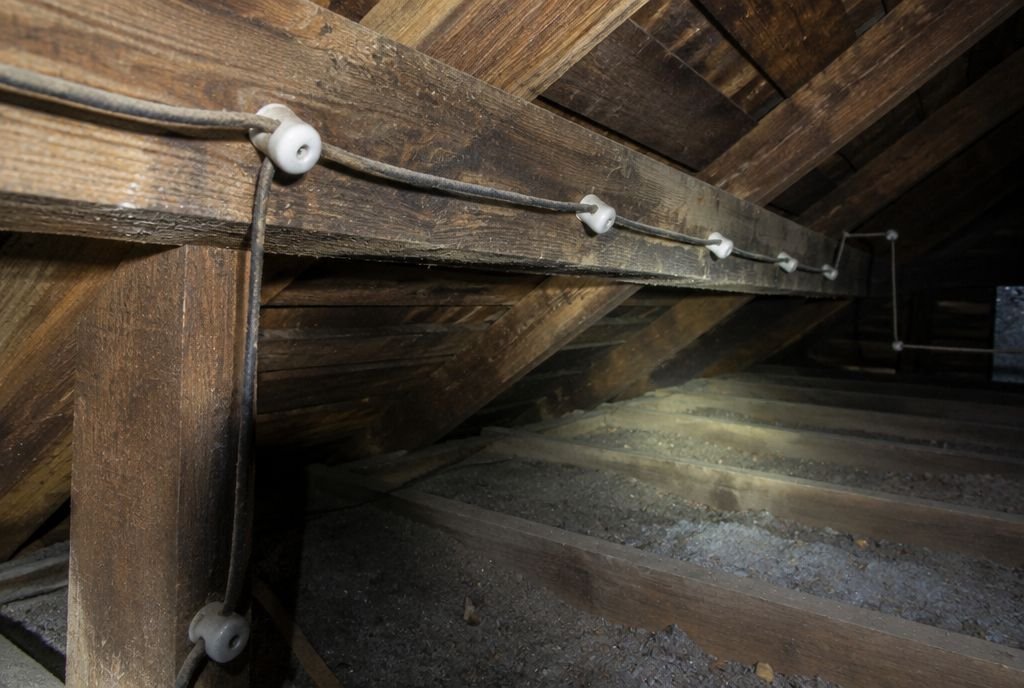
Ask how each contractor handles hidden conditions, such as old wiring, rot or asbestos behind the walls of an older home. Nobody can price what they cannot see, but a good contractor will explain how those discoveries are handled and roughly what they could cost.
Finally, compare the schedule and the payment terms as carefully as the price. A realistic schedule and a fair payment plan are worth more than a small saving.
Design-build or a separate designer and builder
There are two common ways to run a larger renovation. In the first, you hire a designer or architect, get drawings, and then ask contractors to bid on them. In the second, you hire a design-build firm that handles design, pricing and construction with one team.
Separate hiring gives you more choice at each stage and can work well if you have a strong design in hand. The risk is the hand-off. Drawings that look good on paper can come in well over budget, and when something goes wrong during construction it can be hard to tell whose problem it is.
With design-build, the people pricing the job are in the room while it is designed, so the plan is checked against the budget before you commit. You have one contract and one point of contact. The trade-off is that you are choosing the designer and the builder at the same time, so the firm's track record matters even more.
Warning signs
- They knock on your door saying they happen to be working nearby and can offer a special price.
- They promise a discount if you let them use your home to advertise their work.
- They quote without seeing the job, or ask for a large deposit before any work starts. Reputable contractors have accounts with their suppliers.
- They ask to be paid in cash, or into a personal account.
- They refuse to give you a written contract, or pressure you to sign the same day.
- They will not commit to start and completion dates.
- They tell you the job does not need a permit when you are fairly sure it does.
- They cannot give you references, or the references they give will not take your call.
Get it in writing
Once you choose a contractor, everything you agreed should be in a written contract. At a minimum it should include the business licence number, a full description of the work and materials, start and completion dates, the price, the payment schedule, who is responsible for permits and inspections, how changes are handled, warranty details, and proof of insurance and workers' compensation coverage.
Read it all before you sign. Our guides on signing a renovation contract and on paying a contractor in Alberta go into more detail on payment schedules, holdbacks and builders' liens.
When the work is finished
- Walk through the whole project with your contractor and make a written list of anything that still needs attention.
- Make sure all permits have passed their final inspections before the job is closed out.
- Before you make the final payment, check your land title for builders' liens. An unpaid lien can stop you from renewing your mortgage or selling until it is cleared.
- Keep the contract, change orders, invoices, permit documents and every warranty and manual in one place.
Where Kay2 stands
We would rather you check us than take our word for it. Kay2 has been building in Calgary since 2014 and is a member of BILD Calgary Region, the CHBA and RenoMark. We hold an Alberta Certificate of Recognition (COR) for safety, and BILD Calgary Region has twice named us Renovator of the Year.
Every Kay2 project includes in-house design, a fixed-price contract signed before construction starts, and one project manager from planning to handover. Ask us for our licences, insurance and references at your consultation, and ask us every question on this page.
Sources
- City of Calgary: Hiring a contractor
- Government of Alberta: Prepaid contracting licence
- WCB Alberta: Clearance letters
- RenoMark
- BILD Calgary Region
Checked October 12, 2026. Programs and rules change; confirm current details with the source before you rely on them.
Talk it through with Kay2
Every project starts with a complimentary consultation with one of our estimators.