
What radon is
Radon is a radioactive gas that forms naturally when uranium in soil and rock breaks down. It rises through the ground and can enter a house through cracks in the foundation, gaps around pipes, sump pits and floor drains. Outdoors it is diluted. Indoors, especially in basements, it can build up. Long-term exposure to high levels increases the risk of lung cancer, which is why Health Canada recommends that every home be tested.
How common it is in Calgary
A University of Calgary study published in 2017 tested 2,382 homes in Calgary and the surrounding area for 90 days each. It found that 12.4 per cent, about one in eight, were above Health Canada's guideline. Newer homes had higher average levels than older ones. Health Canada's national survey found about 6.9 per cent of Canadians living in homes above the guideline, so Calgary sits well above the national figure.
Two houses side by side can have very different levels, so a neighbour's result tells you little about yours. The only way to know is to test.
How to test
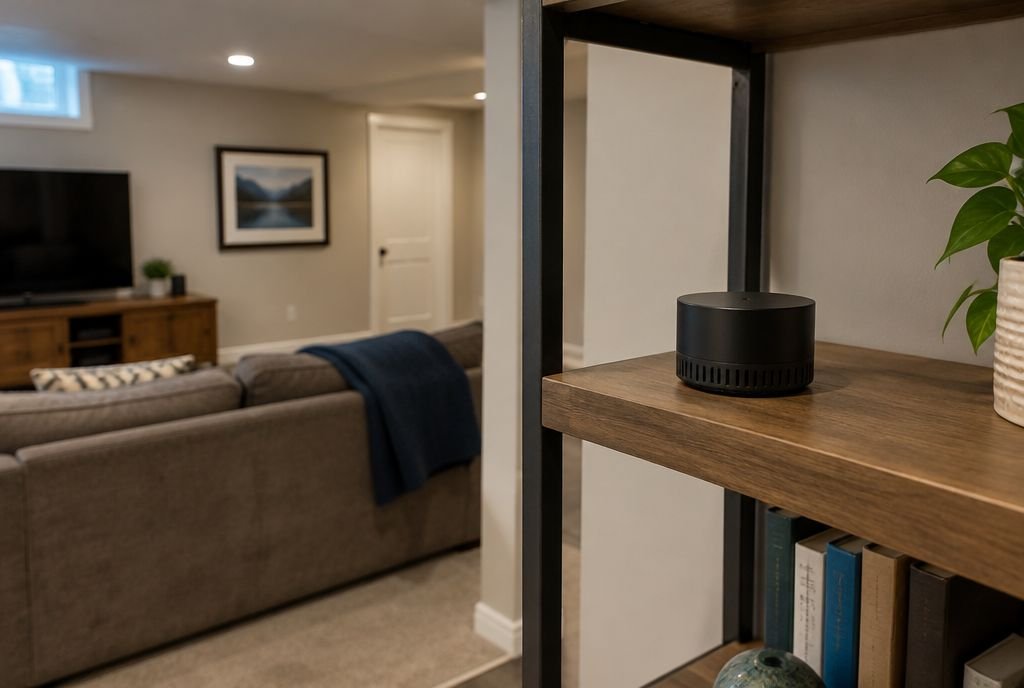
- Use a long-term test of at least 91 days. Health Canada does not recommend short tests of a few days, because radon levels change from day to day.
- Test in the heating season, from fall to spring, when windows are closed and levels tend to be highest.
- Place the detector in the lowest level of the home that someone spends at least four hours a day in, such as a basement family room or bedroom, about a metre off the floor and away from windows and vents.
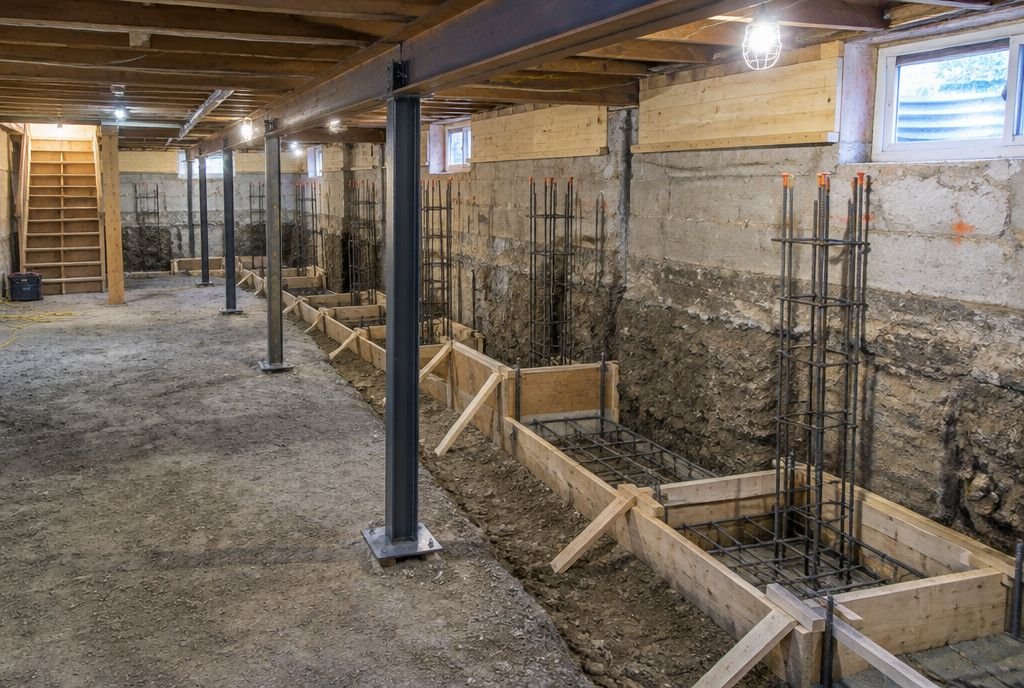
- Test kits are sold at hardware stores and online, and some groups lend digital monitors. Testing is also a good idea before and after a basement renovation.
What the result means
| Result | What Health Canada recommends |
|---|---|
| Below 200 Bq/m3 | No action needed. Consider testing again after major renovations |
| 200 to 600 Bq/m3 | Reduce the level within two years |
| Above 600 Bq/m3 | Reduce the level within one year |
Bq/m3 stands for becquerels per cubic metre. Health Canada's guideline for indoor air is 200 Bq/m3.
How radon is reduced
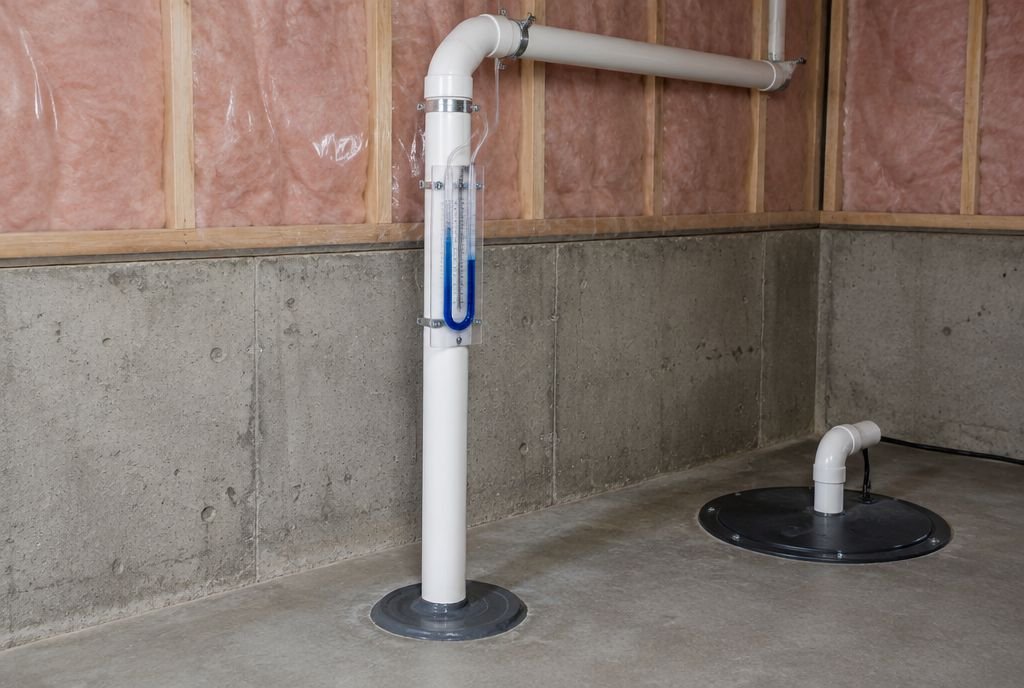
The most common and effective fix is active soil depressurization. A pipe goes through the basement slab, and a small fan draws radon from under the house and vents it outside before it can get in. Health Canada says a system can usually be installed in less than a day, typically lowers radon by more than 90 per cent, and costs about the same as other common home improvements.
Health Canada recommends hiring a professional certified through the Canadian National Radon Proficiency Program, known as C-NRPP, and testing again after the system is installed. Sealing cracks and sump lids helps, but on its own it rarely brings a high level down enough.
If you are finishing a basement
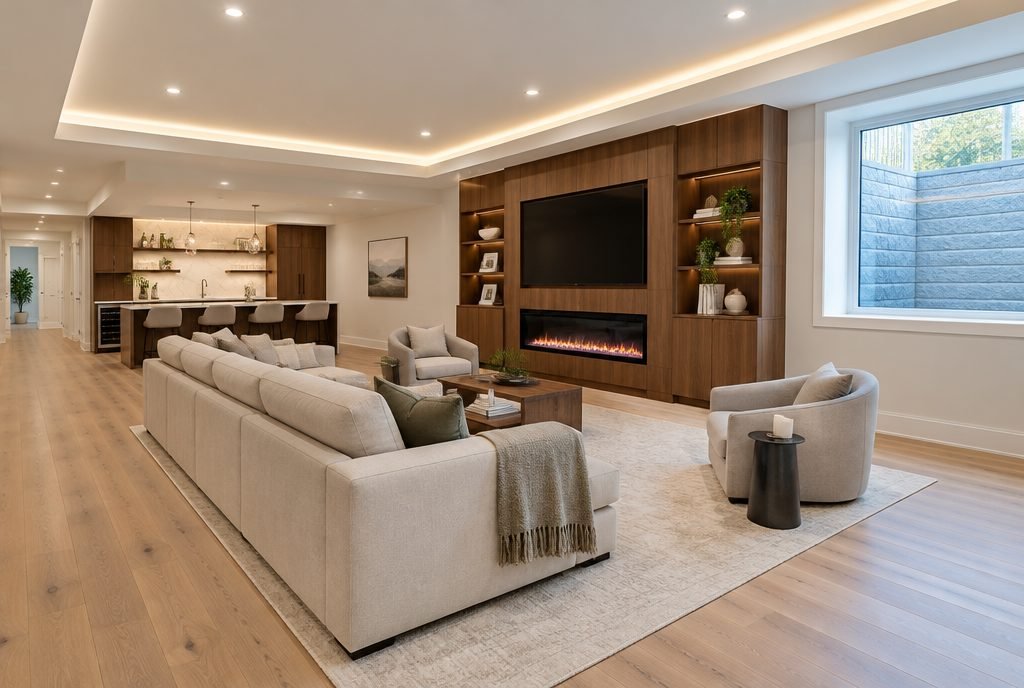
- Test before you design, so a radon pipe and fan can be planned into a closet or mechanical room rather than added later through a finished room.
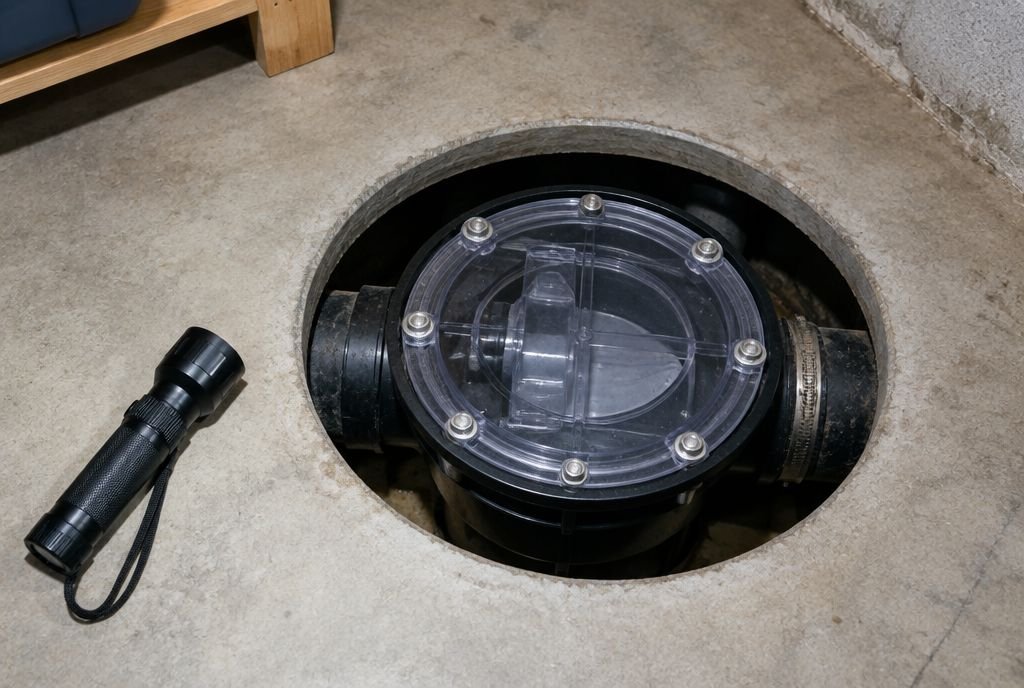
- Keep the sump pit sealed with an airtight lid and leave it accessible.
- Seal cracks and gaps around pipes in the slab before flooring goes down.
- Plan ventilation for the finished space. Our guide to HRVs explains the options.
- Test again after the renovation, because changes to the house can change radon levels.
- For new homes and additions, Health Canada recommends building in a passive radon stack, which can be fitted with a fan later if needed.
Related guides
Planning a basement? Read basement development costs in Calgary and do you need a backwater valve in Calgary. For other hidden issues in older homes, see what builders find inside older homes.
Sources
- Health Canada: Radon
- Health Canada: Reduce radon in your home
- Health Canada: Guide for radon measurements in homes
- Health Canada: Cross-Canada survey of radon concentrations in homes
- CBC News: University of Calgary radon study of Calgary-area homes
Checked November 7, 2026. Programs and rules change; confirm current details with the source before you rely on them.
Talk it through with Kay2
Every project starts with a complimentary consultation with one of our estimators.