
Why older homes need extra planning
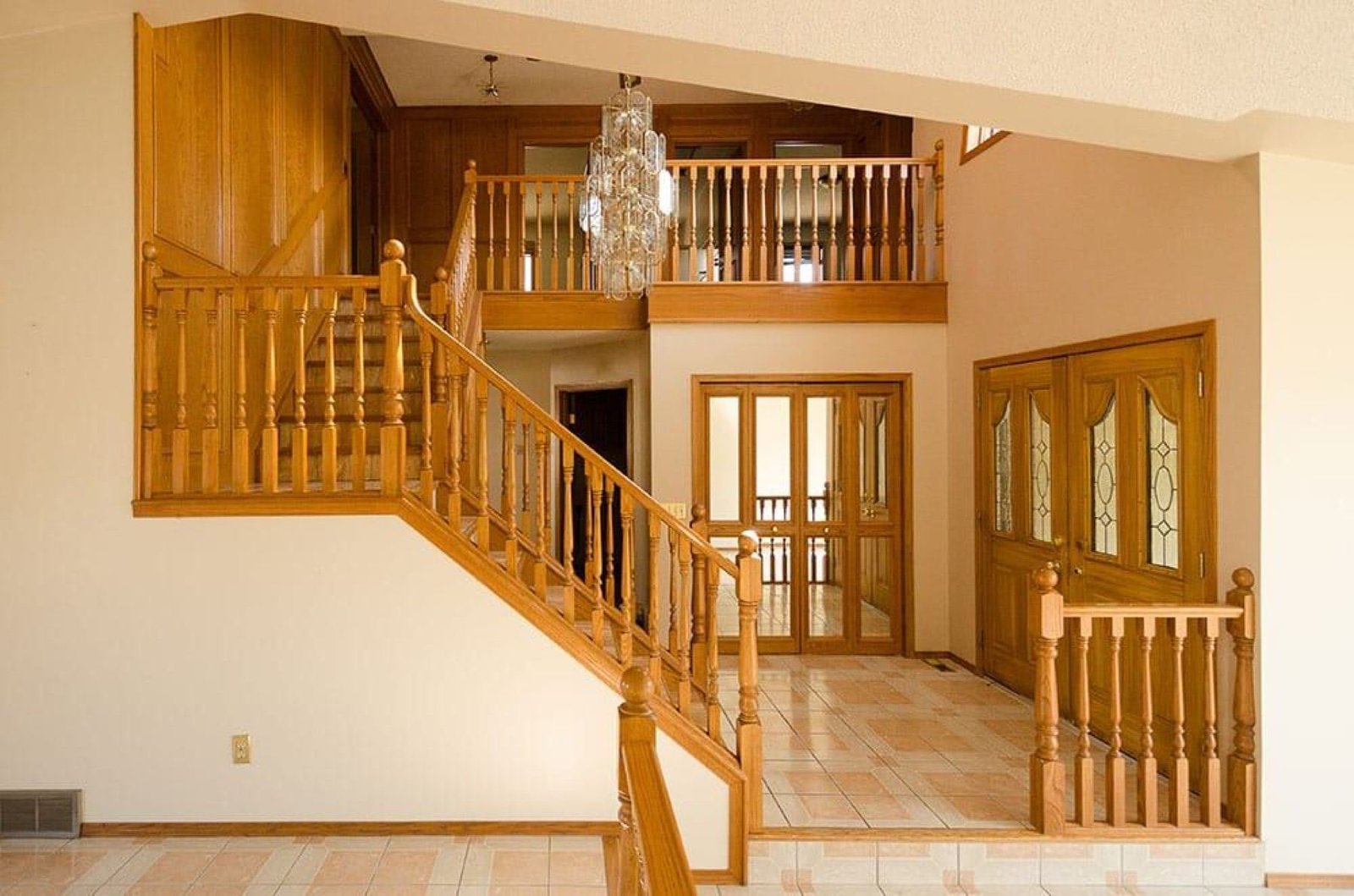
Calgary's established neighbourhoods are full of solid, well-located houses from the 1950s to the 1990s. They are often worth renovating, but they were built to older codes with materials that have since been replaced. Most of what matters is hidden in the walls, ceilings and basement, and the time to find it is before you set a budget, not halfway through demolition.
Electrical wiring and panels
Some Calgary homes built in the late 1960s and 1970s have aluminum branch wiring. It can be made safe, usually by a licensed electrician adding approved connectors or replacing circuits, and many insurers ask about it, so it is worth knowing early.
Many older homes also have 100-amp electrical service. That is often enough for the house as it is, but not for a new kitchen with modern appliances, a basement suite, a home theatre or an electric car charger. Moving to 200-amp service typically costs about $3,500 to $7,000 installed, and it is far easier to plan in from the start.
Plumbing and drains
Cast iron drain stacks and old galvanized supply lines are common in homes from this era. Cast iron can crack or corrode from the inside, and galvanized pipe narrows with buildup over time. If walls are open anyway for a kitchen or bathroom renovation, it usually makes sense to replace what you can reach.
A camera inspection of the main sewer line is inexpensive and worth doing before a basement development, especially in neighbourhoods with mature trees.
Insulation and air sealing
Older homes often have far less insulation than today's code requires, particularly in the attic and in basement walls. A renovation is the cheapest time to fix that, because the walls are already open. Better insulation and air sealing also help prevent ice dams on the roof. If you are planning energy upgrades, our energy upgrade financing guide explains Calgary's CEIP program.
Asbestos and vermiculite
Homes built before 1990 can contain asbestos in drywall compound, textured ceilings, old flooring, duct wrap and vermiculite insulation. The City of Calgary asks about asbestos when you apply for a renovation permit, and a survey is needed before demolition. Abatement typically runs $2,000 to $15,000 depending on what is found and how much has to be removed. Our asbestos and vermiculite guide covers it in detail.
Foundations, drainage and radon
Look for cracks that are getting wider, water stains on basement walls and grading that slopes toward the house. Calgary's clay soils move as they get wet and dry out, so drainage matters. Test for radon before finishing a basement, since one in eight Calgary homes tested above Health Canada's guideline. See our guides on preventing basement flooding and radon.
How to budget for what you cannot see
Nobody can price what is behind a wall they have not opened, but a good contractor can tell you what is likely in a house of that age and how it would be handled. We recommend a site visit before design, an asbestos survey for any home built before 1990, and a realistic allowance for older-home surprises in the budget.
At Kay2 we look for these issues during design and price the work we can see into a fixed-price contract. If something unexpected turns up once walls are open, we show it to you and agree on the cost before that work goes ahead.
Sources
- Kay2 Contracting: The Calgary Renovation Cost Guide 2026
- City of Calgary: Home building and renovations
Checked October 14, 2026. Programs and rules change; confirm current details with the source before you rely on them.
Talk it through with Kay2
Every project starts with a complimentary consultation with one of our estimators.