
What an HRV is
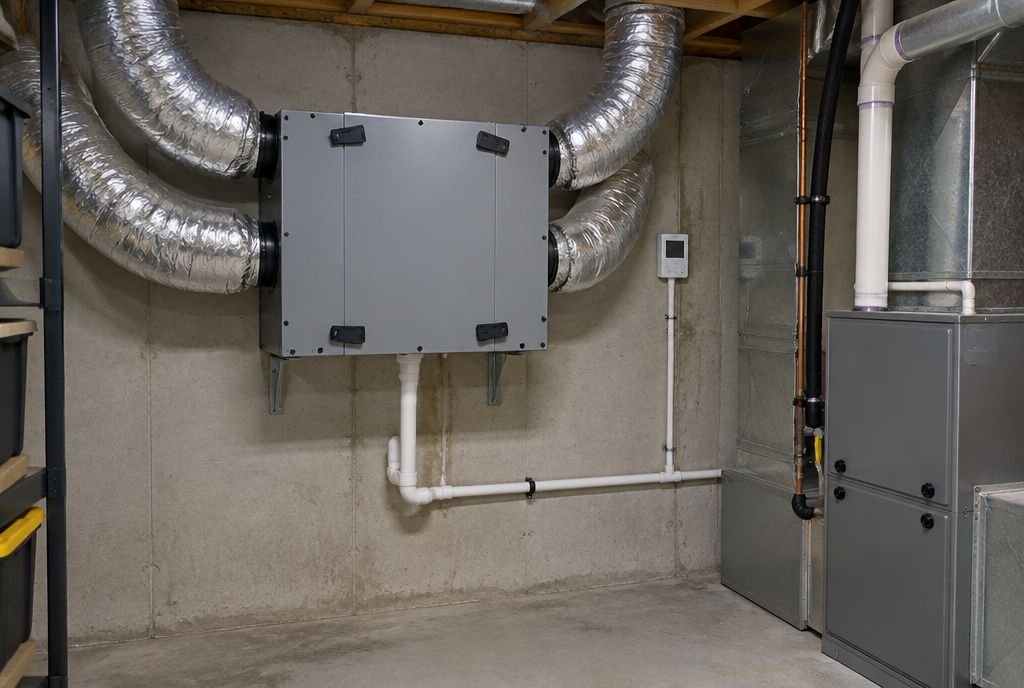
A heat recovery ventilator, or HRV, is a box with two fans and a heat exchange core. One fan pulls stale, humid air out of the house, usually from bathrooms and the kitchen area. The other brings in fresh outdoor air and delivers it to bedrooms and living spaces. Inside the core, the outgoing air warms the incoming air without the two mixing, so you get fresh air without throwing away most of the heat you paid for.
Why tighter houses need one
Older houses leak air through gaps around windows, outlets, attics and foundations, and that leakage provided some fresh air, along with drafts and big heating bills. Natural Resources Canada notes that new homes are built to be airtight to limit heat loss and moisture damage, and that continuous ventilation systems, usually HRVs or ERVs, are now common in new housing. Building codes require new houses to have a mechanical ventilation system, and in Alberta that is set out in the ventilation section of the building code.
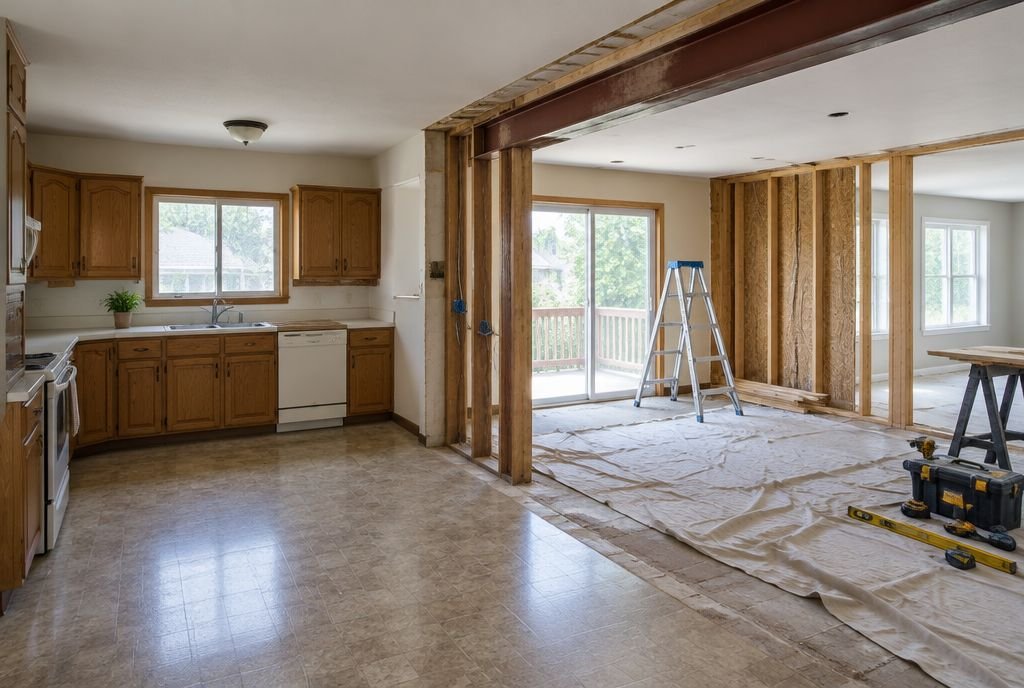
In a renovation, the same thing happens on a smaller scale. New windows, air sealing and better insulation can turn a drafty house into a tight one, and then it needs planned ventilation.
Signs your house needs better ventilation
- Condensation or frost on the inside of windows in winter.
- Stale air or cooking smells that hang around.
- Mould on window frames, in closets on outside walls or in bathrooms.
- Rooms that feel stuffy, especially bedrooms with the door closed.
- A recent renovation with new windows and air sealing, and no new ventilation.
HRV or ERV in a dry climate
An energy recovery ventilator, or ERV, works like an HRV but also passes some moisture from one air stream to the other. In a very dry winter climate like Calgary's, an ERV can help keep some indoor humidity in the house, while an HRV removes more of it. Which is better depends on the house, how many people live in it and how humid it gets. Your heating contractor can recommend one after looking at the house.
What it is not
- Bathroom fans and a range hood remove moisture and smells from one room. They are not whole-house ventilation, and most houses still need them alongside an HRV.
- A furnace moves air around the house but does not bring in fresh air on its own.
- Large range hoods can pull a lot of air out of a tight house, and may need a make-up air supply. Your mechanical contractor sizes it.
Looking after an HRV
- Clean or replace the filters every few months, following the manufacturer's schedule.
- Clean the core and check the condensate drain once a year.
- Keep the outdoor intake and exhaust hoods clear of snow, leaves and lint.
- Leave it running. An HRV works best continuously on low, with a boost for showers, cooking and parties.
- Have it balanced when it is installed, so the air coming in matches the air going out.
Related guides
Read what is inside your walls to see where ventilation fits in a wall, and how to design a home for cold winters for the rest of a winter-ready house. For dry air and its effect on finishes, see what hard water and dry air do to a home.
Sources
- Natural Resources Canada: Heat recovery ventilators and energy recovery ventilators
- National Research Council Canada: National Building Code of Canada
Checked November 7, 2026. Programs and rules change; confirm current details with the source before you rely on them.
Talk it through with Kay2
Every project starts with a complimentary consultation with one of our estimators.