
Do you need a permit for a hot tub in Calgary
In most cases, yes. The City requires a permit for any hot tub, pool or pond that can hold water deeper than 0.6 m (2 feet), and almost every hot tub does. Most hot tubs need two permits, a building permit and an electrical permit. You only need a development permit as well if the location breaks a Land Use Bylaw rule.
Who can wire it
The City requires all permanently installed hot tubs to be wired by a qualified electrical contractor, and homeowner electrical permits do not cover hot tub wiring. A hot tub is also one of the biggest electrical loads a house can add. In a townhouse or rowhouse that shares an electrical service, your electrician must complete a load calculation first, and the condo board or owners' association has to sign off. Our guide to homeowner electrical and plumbing permits explains what a homeowner can and cannot do themselves.
Where it can go
- At least 1.2 m from the side and rear property lines.
- Not in the front setback without a development permit.
- No overhead wires above the tub unless it sits under a roof. Existing overhead wiring has to be 5.0 m clear of the tub both vertically and horizontally.
Locking covers instead of a fence
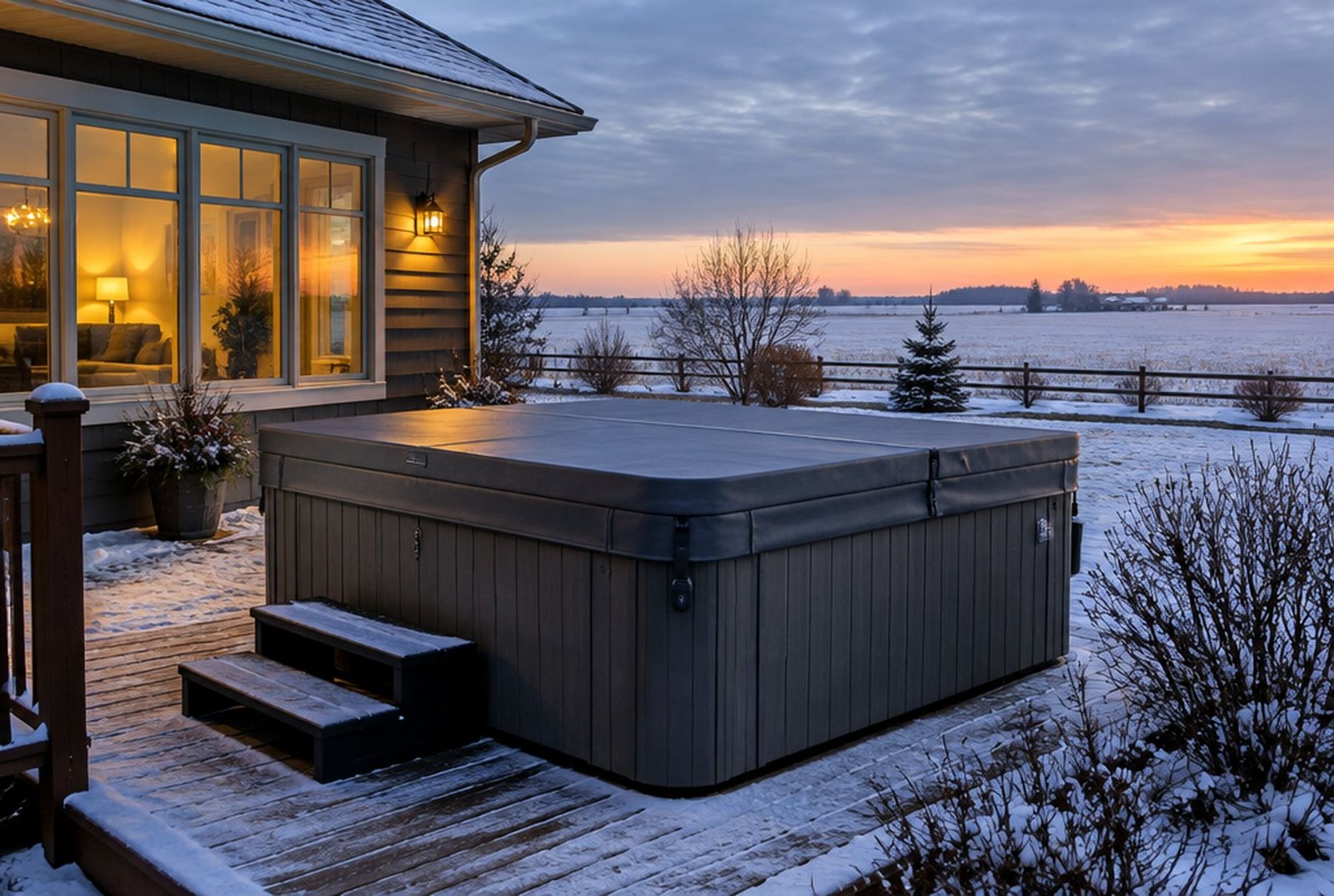
An outdoor pool has to be fenced, at least 1.8 m high for a private pool, with a self-closing, self-latching, lockable gate. For a hot tub at a single family home, the City accepts a locking cover in place of a fence, as long as the cover is built to the ASTM F1346 safety standard and has locks that keep out anyone who is not meant to get in. The final inspection checks that the cover is on site and working.
Hot tubs on decks and in gazebos
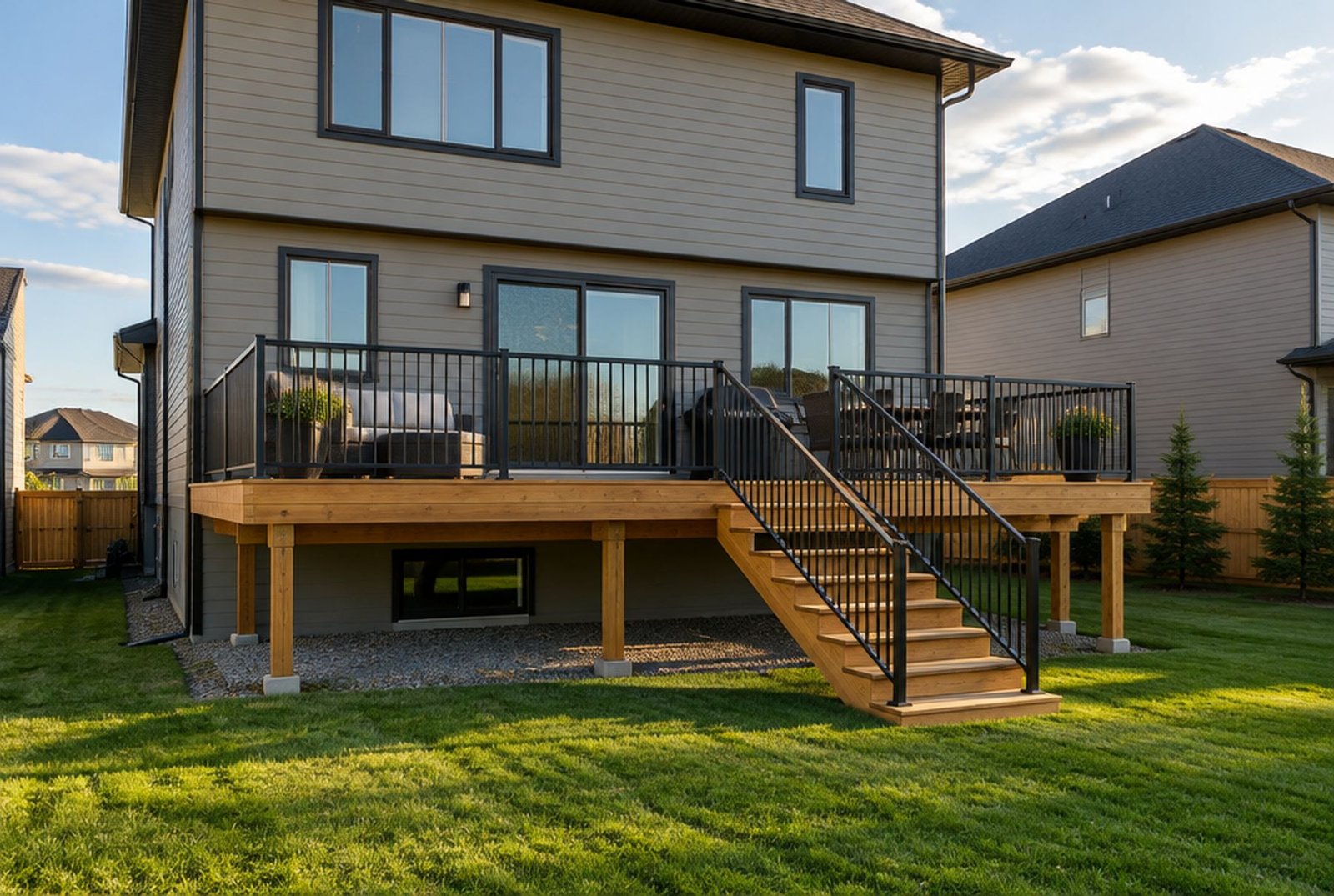
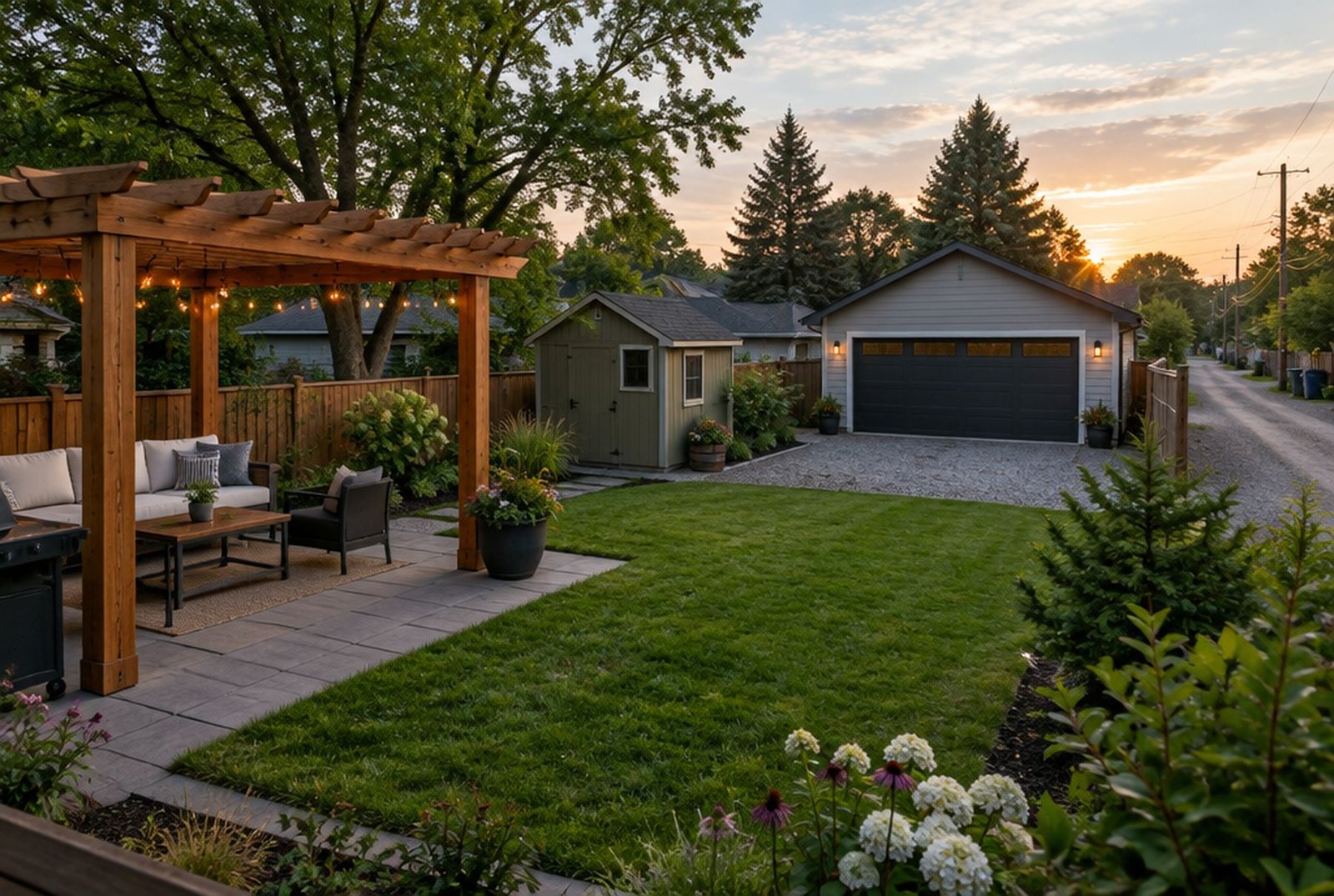
A hot tub full of water and people is heavy, often well over a tonne, so a deck that will carry one needs to be designed for that load. If the tub goes under a gazebo or another roof larger than 10 m², that structure needs its own building permit. If the gazebo floor is 0.6 m or more above the ground, it needs a development permit. See our guides to deck permits and sheds, pergolas and gazebos.
Fees and timelines
| Permit | City fee in 2026 | Typical timeline |
|---|---|---|
| Building permit for a new hot tub, pool or pond | $210.08 | About 7 days |
| Building permit to renovate an existing one | $210.08 | About 7 days |
| Development permit, if needed | $579 | 10 to 12 weeks |
The electrical permit is pulled and paid for by the electrical contractor.
The final inspection
Book the inspection when the hot tub is ready to use and the locking cover is installed. For a pool, the fence and gate must also be finished. Indoor pools and spas are a different project altogether, with structure, humidity and ventilation to plan. Our indoor pool guide explains what that involves.
Sources
- City of Calgary: Hot tubs, pools and ponds
- City of Calgary: Homeowner electrical and plumbing permits
Checked November 8, 2026. Programs and rules change; confirm current details with the source before you rely on them.
Talk it through with Kay2
Every project starts with a complimentary consultation with one of our estimators.