
The short answer
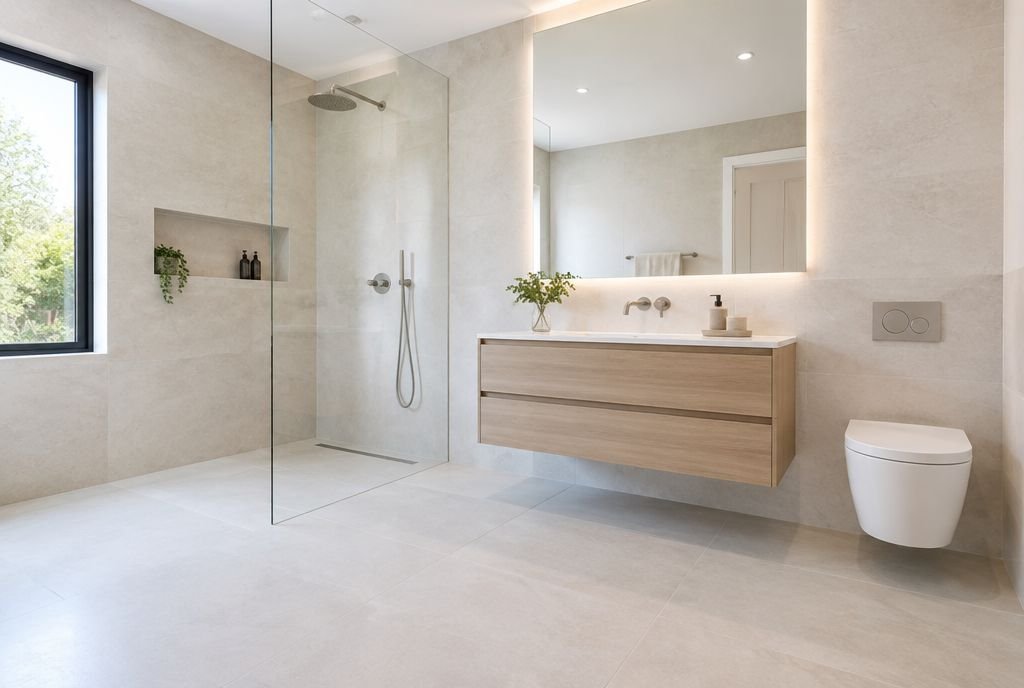
In bathrooms, entries, mudrooms and basements with tile or concrete floors, almost always yes. These are the rooms where a cold floor is felt most. For whole houses, garages and large slabs, hydronic heating can be an excellent main heat source, but it is a bigger decision that belongs to the design of the heating system.
Electric heated floors
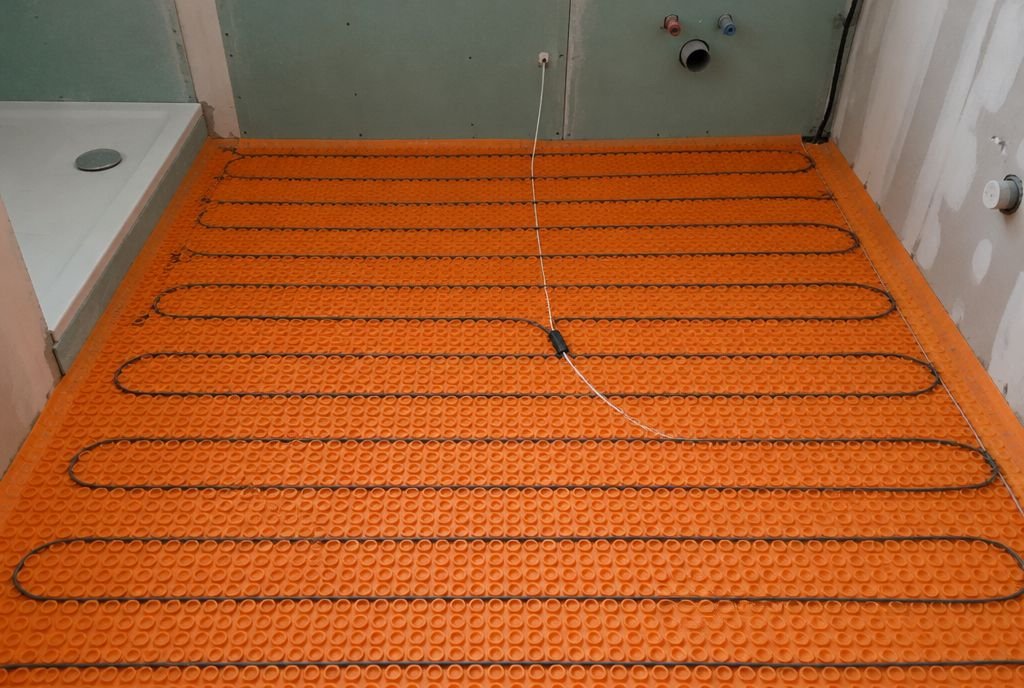
Electric systems use a thin cable or mat laid over the subfloor, usually on an uncoupling membrane, and covered with tile thinset. A thermostat with a floor sensor controls it, often on a schedule so the floor is warm when you get up. They are the simplest and cheapest to install in a single room, they respond quickly, and they need no upkeep once installed.
Electric floors need their own circuit in most cases and should be connected by a licensed electrician under a permit. Installers test the cable before, during and after tiling, because a damaged cable under tile is very hard to repair. Keep a photo of the layout before the tile goes down.
Hydronic heated floors
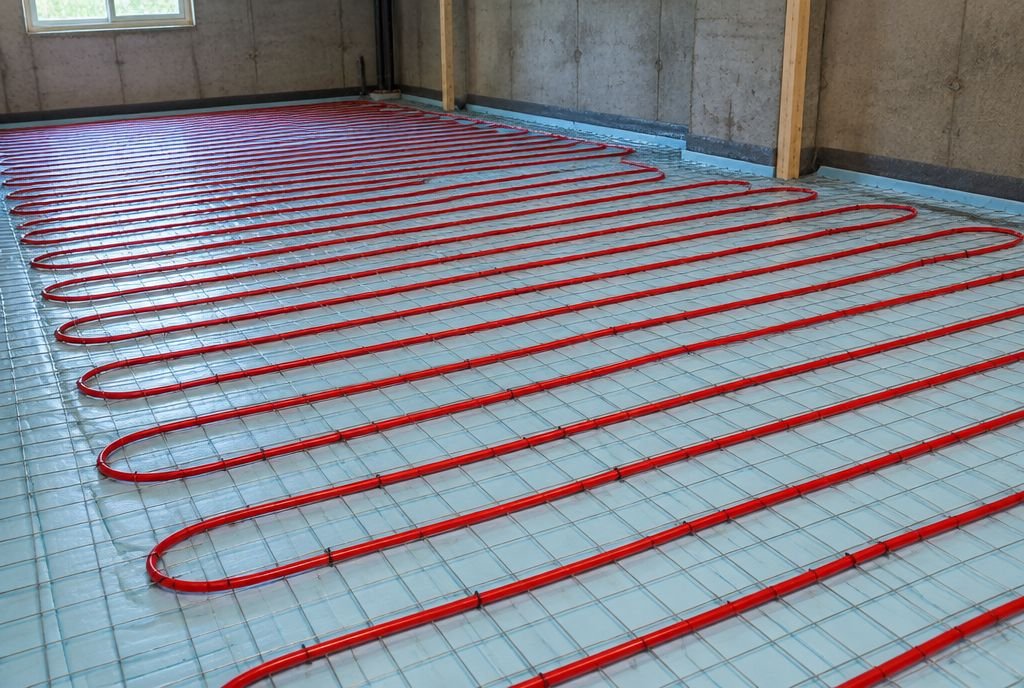
Hydronic systems circulate warm water, sometimes with glycol, through tubing in a concrete slab, a thin topping or special panels under the floor. The water is heated by a boiler, a combination water heater or a heat pump. Because the whole floor becomes a gentle radiator, hydronic heat is very comfortable and can heat a large area efficiently.
It costs more to install, it is slow to respond, and the boiler and pumps need regular servicing. It makes the most sense when you are pouring a new slab, such as a basement floor replacement, an addition or a garage, or when you are redesigning the heating for the whole house.
Side by side
| Electric | Hydronic | |
|---|---|---|
| Best for | One room, such as a bathroom or entry | Large areas, slabs, whole houses, garages |
| Installation | Cable or mat under tile, a circuit and a thermostat | Tubing in concrete or panels, a heat source, pumps and controls |
| Response | Fast | Slow, steady |
| Upkeep | None once installed | Regular servicing of the boiler or heat source |
| When to add | During a bathroom or floor renovation | When pouring a slab or redesigning the heating |
Which floors work over them
- Tile and stone are ideal. They conduct heat well and are not affected by it.
- Polished or sealed concrete works well with hydronic tubing in the slab.
- Luxury vinyl and engineered wood can work if the manufacturer approves them for heated floors, usually with a maximum surface temperature.
- Solid hardwood is more sensitive to heat and dryness, and carpet insulates the floor from the heat.
Running costs
A heated bathroom floor on a schedule uses a modest amount of electricity, because the area is small and it only needs to run in the morning and evening. Running electric heat over large areas for many hours is a different story, and that is where hydronic heat, especially paired with an efficient heat source, comes out ahead. Ask your heating contractor to compare the options for your house and energy rates.
Related guides
Planning a bathroom? Read how to make a small bathroom feel bigger. For basements, see basement development costs, and for the rest of the house, how to design a home for cold winters.
Sources
Checked November 7, 2026. Programs and rules change; confirm current details with the source before you rely on them.
Talk it through with Kay2
Every project starts with a complimentary consultation with one of our estimators.