
The short answer
Renovation costs rose sharply between 2020 and 2023, and they have not come back down. Since then they have kept rising more slowly. Statistics Canada's residential building construction price index rose 2.3 per cent year over year in the second quarter of 2026, with metals and steel products leading the increases after retaliatory tariffs between Canada and the United States.
On top of material prices, renovations are pushed up by a shortage of skilled trades, higher code requirements, and the simple fact that older houses hide surprises. Prices rarely fall back once they rise, so the useful question is how to budget for today's numbers.
How much more things cost than five years ago
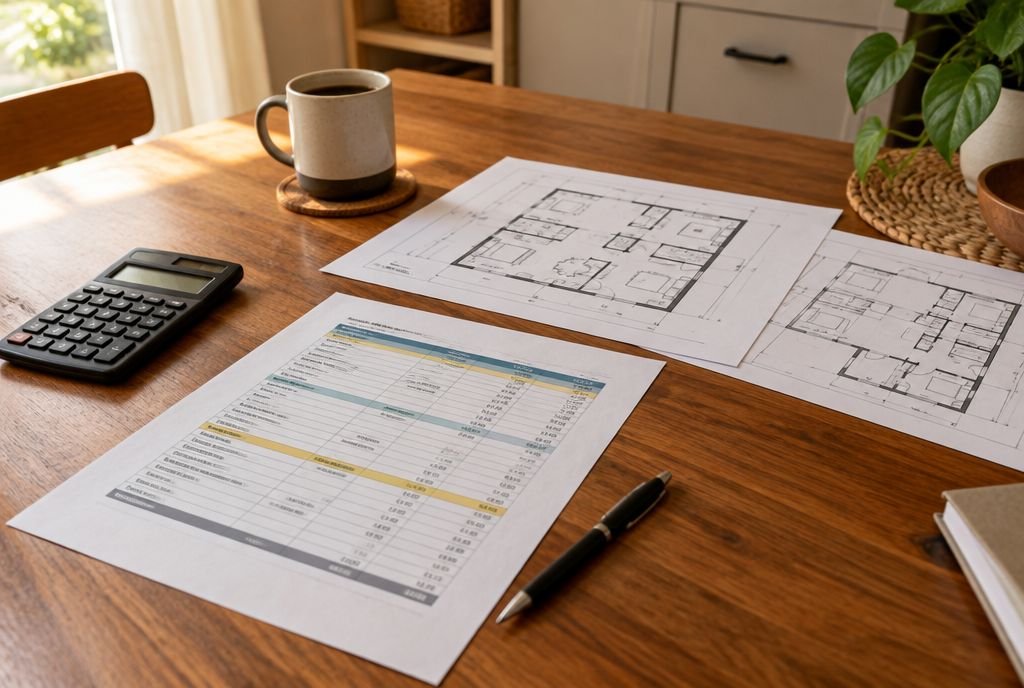
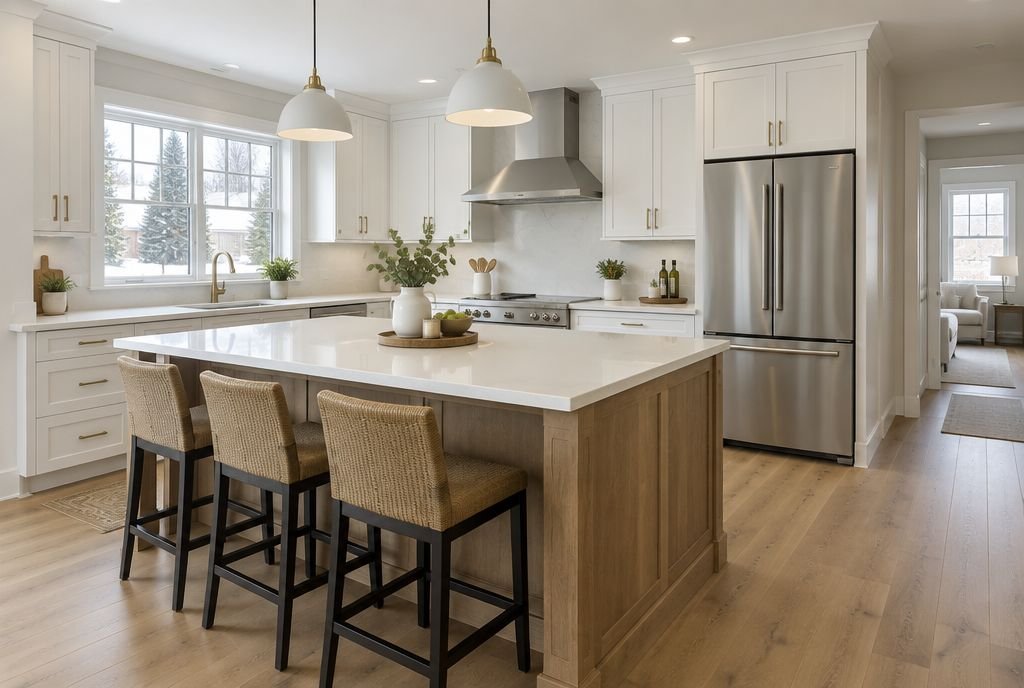
Kay2's 2026 cost guide gives a simple example. A kitchen that cost $38,000 in 2019 runs closer to $52,000 today at the same specification. That is more than a third higher, and it matches what homeowners see when they compare an old quote with a new one.
The increase is not evenly spread. Steel, copper, electrical equipment and imported fixtures have risen more than lumber, which has softened at times as supply caught up.
Tariffs and trade
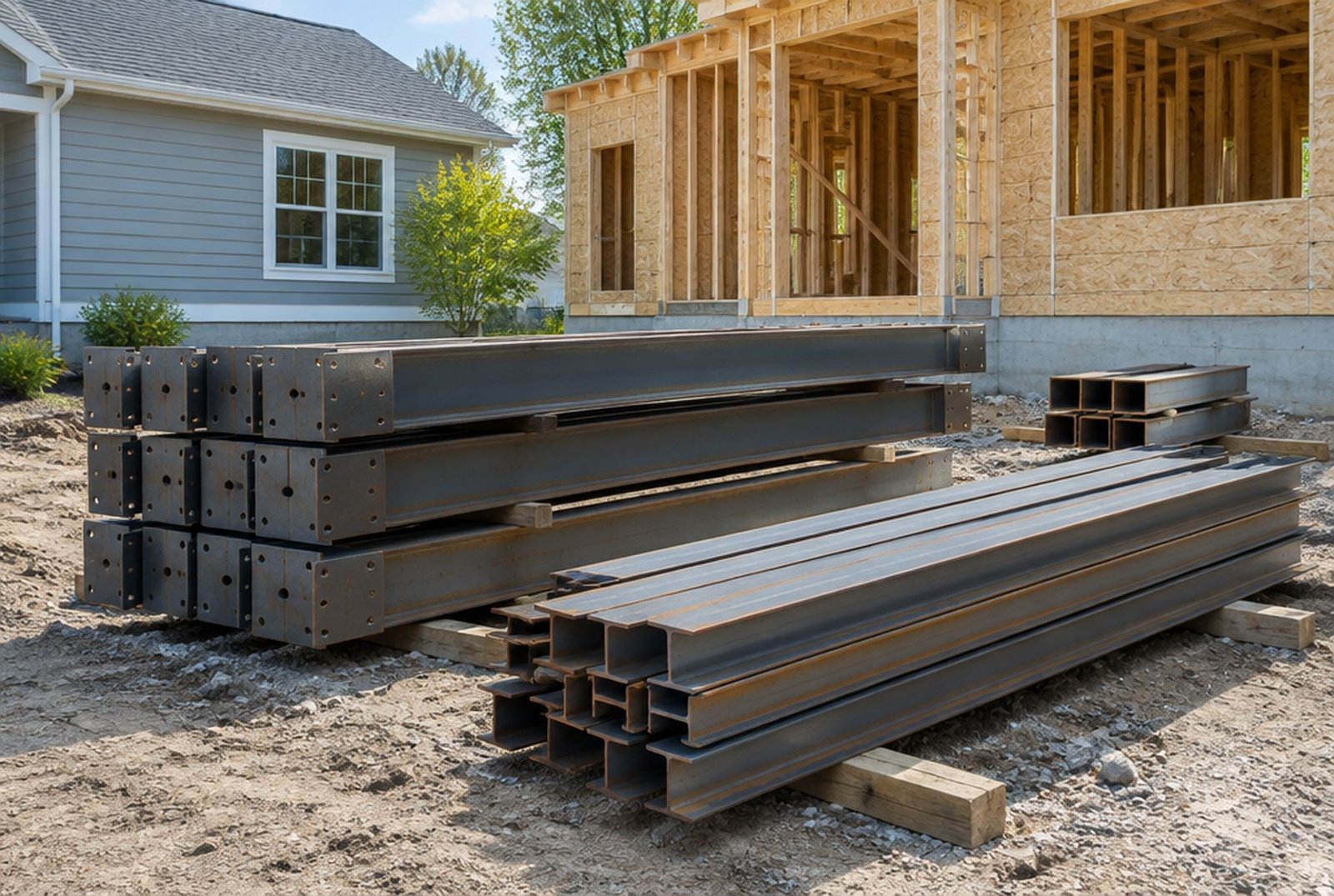
In its second quarter 2026 release, Statistics Canada said metal and steel products led residential cost increases, citing retaliatory tariffs between Canada and the U.S. and the supply chain disruptions that followed. The Canadian Construction Association's fall 2026 report, covered by The Canadian Press, pointed to tariffs on steel and aluminum and additional duties on imported wood cabinets and vanities, and noted that about 40 per cent of construction inputs are imported, with the U.S. making up most of that.
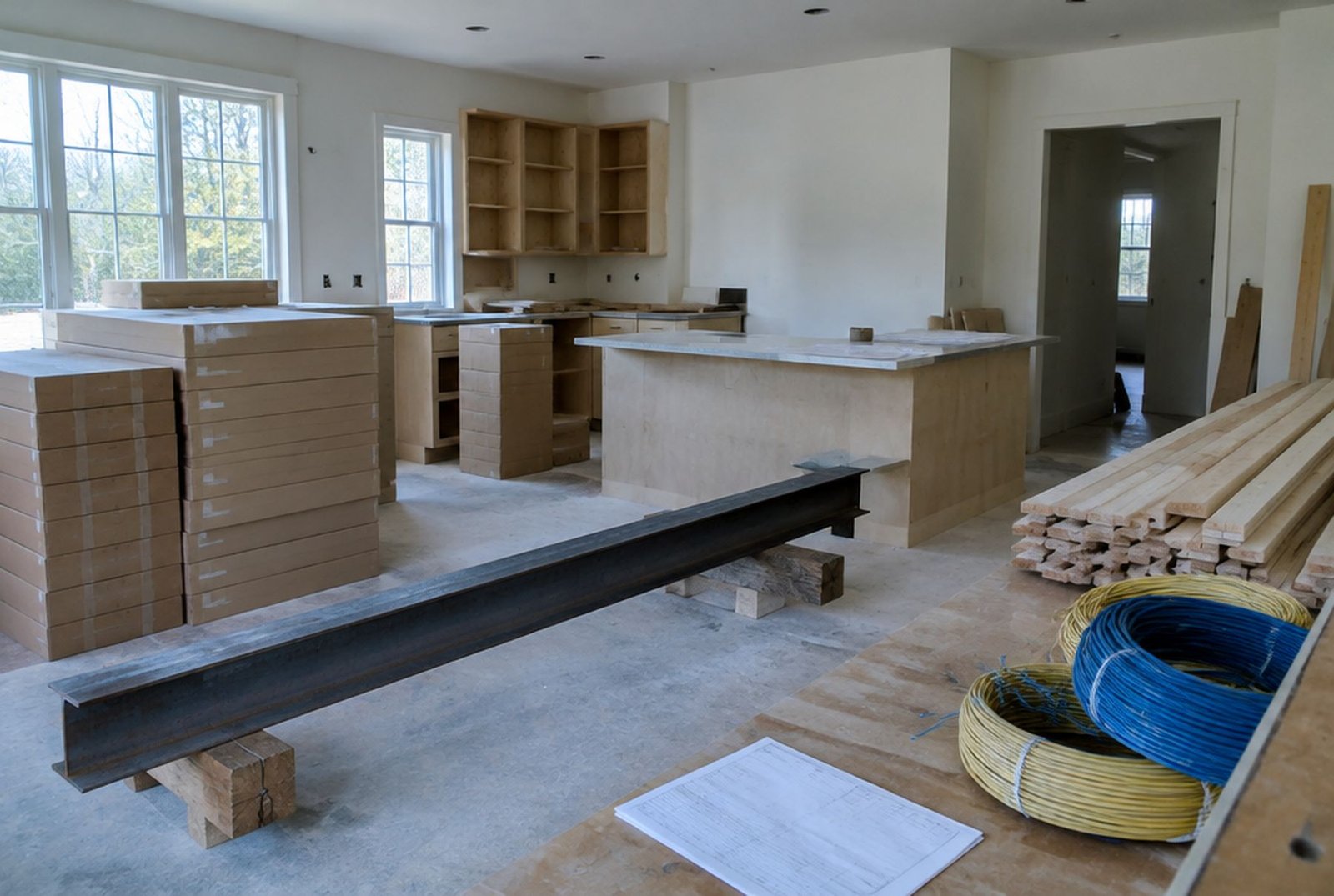
For a renovation, that shows up in beams and posts, wiring and electrical panels, plumbing fittings, appliances, cabinets and vanities.
Skilled trades are in short supply
Labour is often 35 to 45 per cent of a kitchen budget, and good trades are busy. BuildForce Canada, which tracks the construction workforce, has warned for years that retirements will leave the industry short of skilled workers through the next decade. Statistics Canada noted in 2026 that seasonal demand was adding pressure on an already constrained skilled trades workforce.
Renovation competes for the same electricians, plumbers and carpenters as new homes and commercial projects. When they are busy, prices rise and schedules stretch.
Fuel, freight and everything in between
Statistics Canada also pointed to higher oil prices raising fuel, equipment and transportation costs in 2026. Every renovation involves trucks, deliveries, disposal bins and equipment, so energy prices flow through to the final bill.
Why renovations cost more than new construction
- Renovating means taking things apart first. Demolition, disposal and protecting the rest of the house all cost money a new build does not spend.
- Older houses hide surprises, such as old wiring, rotten subfloors, asbestos and undersized beams. Our guide to what builders find inside older homes lists the common ones.
- Changes trigger code upgrades. Opening walls can mean bringing wiring, smoke alarms, insulation or ventilation up to current standards.
- Small spaces slow trades down. Working around a family, in a tight kitchen or a low basement, takes longer than working on an open new site.
- Custom work costs more than repeated work. A new subdivision builds the same kitchen fifty times. A renovation builds one.
Is it ever cheaper in some cities?
Yes, at the margins. Statistics Canada's index for Calgary was essentially flat through late 2025 and the first half of 2026, while other cities rose. That is good news for Calgary homeowners, but it measures new construction costs, not renovation quotes, and it follows a big jump earlier in the decade. Flat is not cheaper. It just means prices stopped climbing as fast for a while.
Why waiting rarely saves money
Many people hold off hoping prices will fall. Construction prices in Canada have very rarely gone down year over year, and even in quiet periods they tend to flatten rather than drop. Waiting can make sense for other reasons, such as saving more, deciding on the design or timing around life events. It is not usually a good bet on lower prices.
What does save money is planning well. Changes during construction are the most expensive way to renovate, so the more decisions you make before work starts, the closer the final bill stays to the original price.
How to budget when prices keep moving

- Use current local numbers, not quotes from a few years ago or national averages. Our Calgary Renovation Cost Guide gives 2026 ranges for Calgary.
- Keep a contingency of 10 to 15 per cent for what the walls reveal.
- Finish the design and choose finishes before construction, so the price is based on real selections, not allowances.
- Ask for a fixed or guaranteed price after design, rather than an open-ended estimate. Our guide to signing a renovation contract explains the difference.
- Order long-lead items early, such as windows, cabinets and specialty fixtures, so price changes and delays do not catch you mid-project.
- Decide where to spend and where to save, as our save and splurge guide explains.
Questions people ask
- Will renovation prices go down in 2027? Most forecasts point to slower increases, not decreases. Tariffs, labour and energy prices are the things to watch.
- Why did my quote change in six months? Material prices, trade availability and the scope itself can all move. Ask your contractor what changed.
- Is it cheaper to renovate in winter? Some interior work can be scheduled more easily in winter, as our guide to winter renovations explains, but prices are not usually lower.
- How do I protect myself from price increases? A guaranteed price after design, signed before construction, moves that risk to the contractor.
How Kay2 handles rising costs
In Calgary, Kay2 designs first and then gives a guaranteed price before you sign the construction contract, so the number you agree to is the number you plan around. If something unexpected appears behind a wall, we explain it and a change order is signed before that work goes ahead. Try our renovation cost calculator for a first range, or book a consultation.
Sources
- Statistics Canada: Building construction price indexes, second quarter 2026 (The Daily, July 24, 2026)
- BNN Bloomberg / The Canadian Press: Rising costs, trade risks cloud Canada's construction outlook (October 29, 2026)
- Statistics Canada: Building construction price indexes, third quarter 2025
- BuildForce Canada: Construction and maintenance labour market forecasts
- Altus Group: Caution in 2026, optimistic for 2027, Canadian cost guide insights
- Kay2 Contracting: The Calgary Renovation Cost Guide 2026
Checked November 12, 2026. Programs and rules change; confirm current details with the source before you rely on them.
Talk it through with Kay2
Every project starts with a complimentary consultation with one of our estimators.