
Why more families are planning for this
Some clients come to us because a parent is moving in. Others are in their fifties or sixties, love their home, and want to make sure they can stay in it for another twenty years. Either way, the goal is the same. Everyone in the house should be able to get around safely and keep their independence.
It is much easier and cheaper to build these features in during a renovation than to add them in a hurry later.
Features worth planning in
- A main-floor bedroom and full bathroom, so stairs are never a requirement.
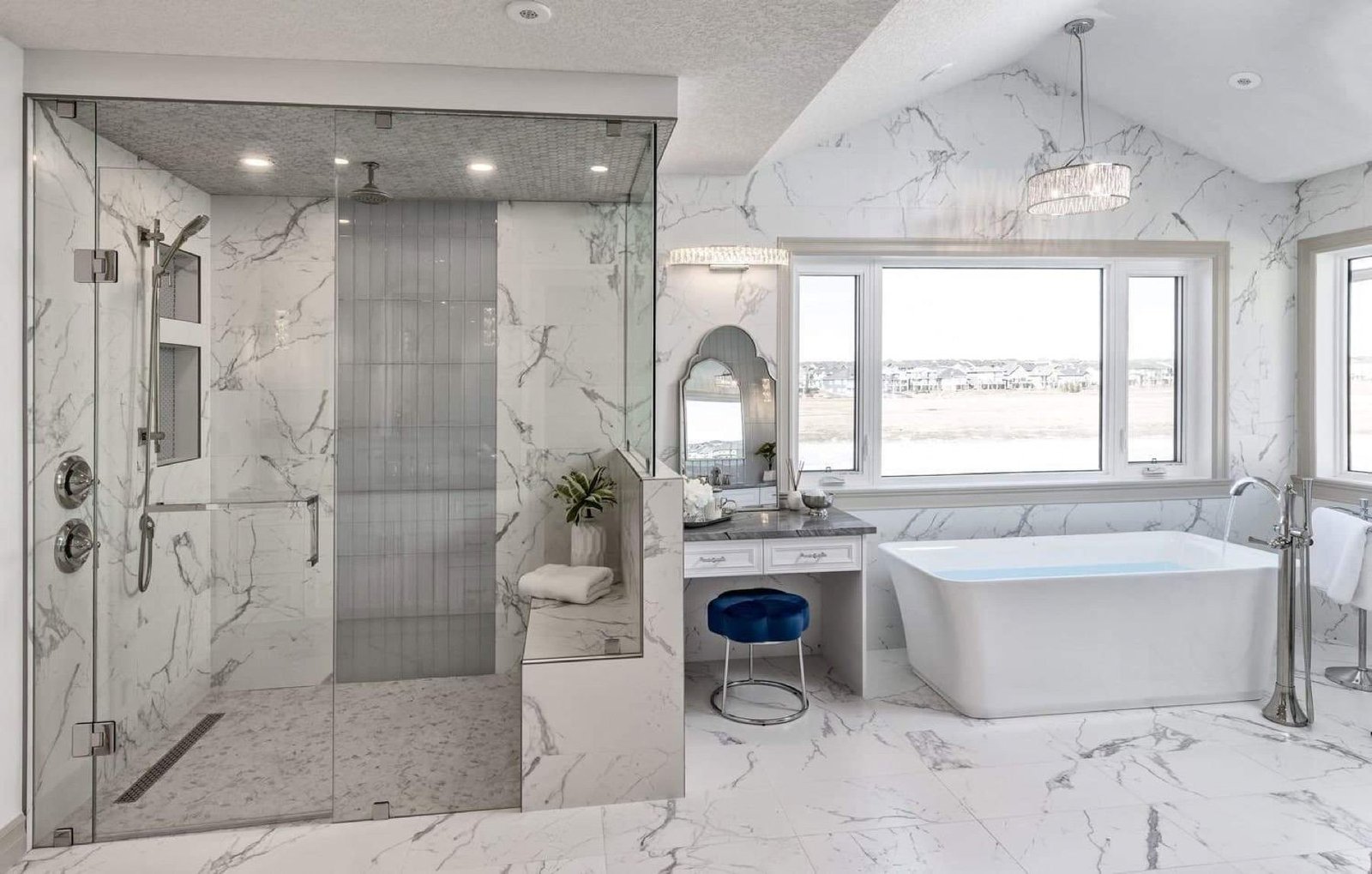
- Curbless showers with a bench, a handheld shower head and slip-resistant tile.
- Solid backing in bathroom walls, so grab bars can go in later without opening the wall.
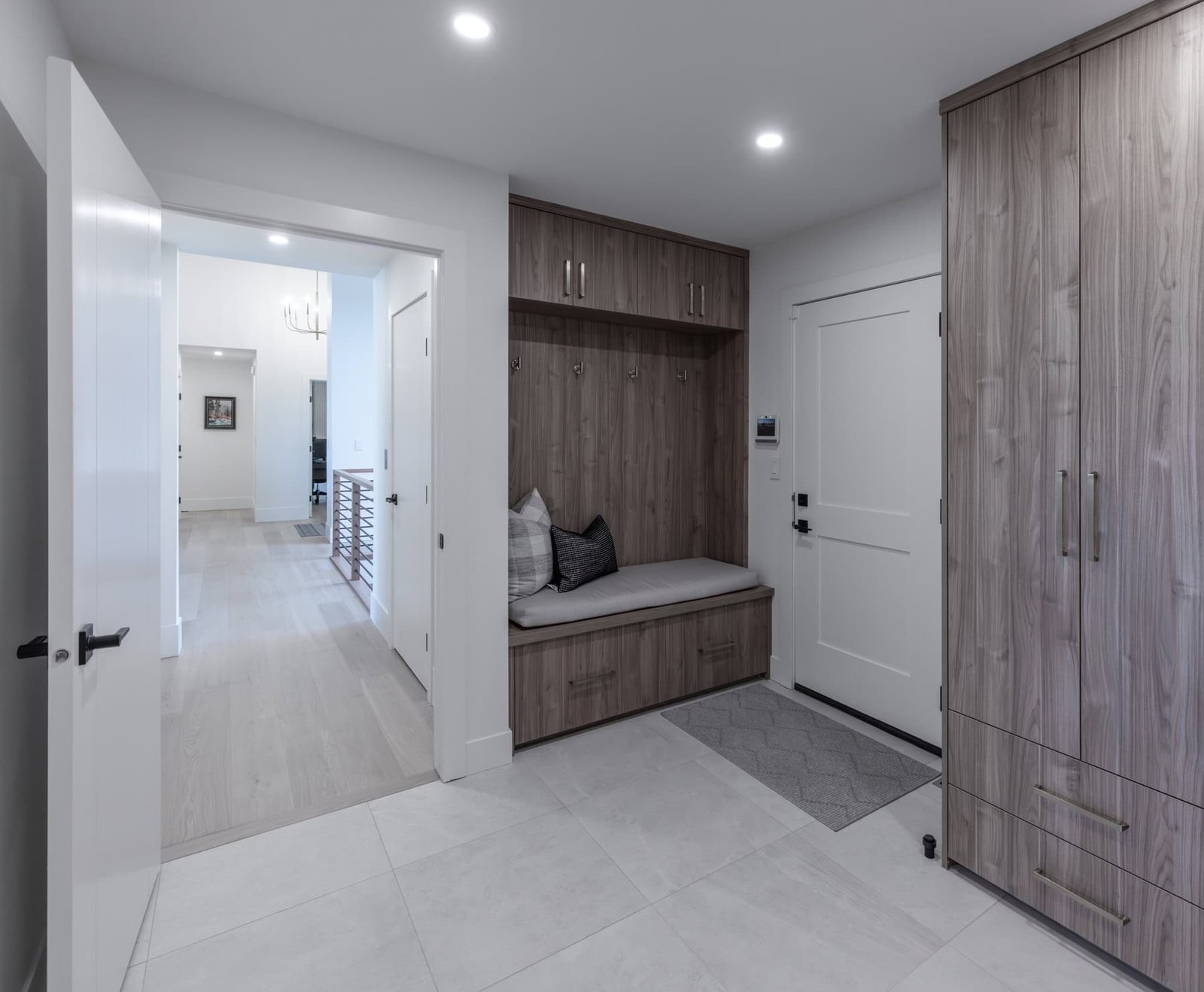
- Wider doorways and hallways that work for a walker or a wheelchair.
- Lever handles, rocker light switches and outlets set at a comfortable height.
- Good lighting on stairs and in hallways, with switches at both ends.
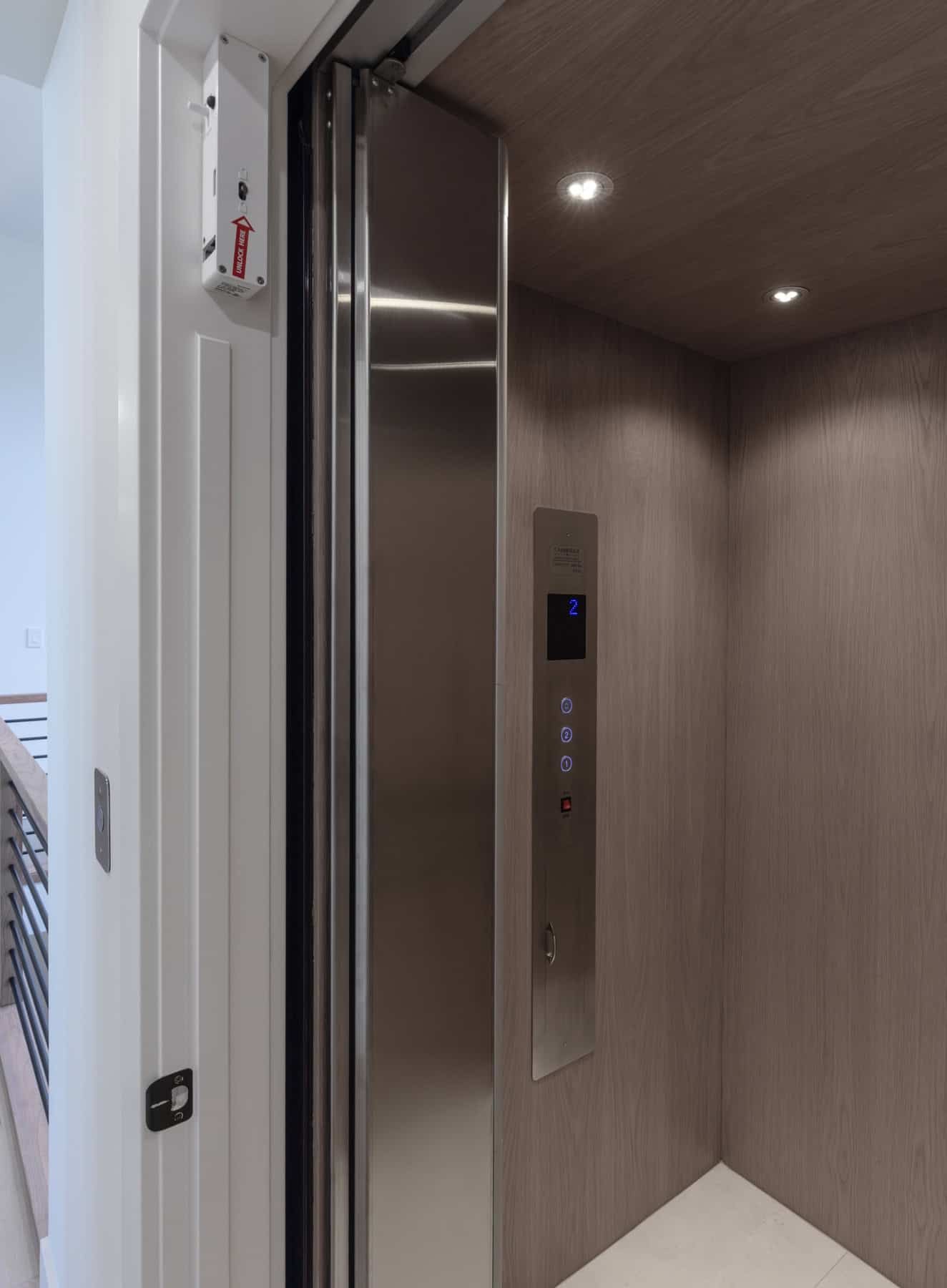
- A residential elevator, or a stacked closet that can take one later.
- A step-free entry from the garage or the front walk.
Giving a parent their own space
Sometimes the best answer is a self-contained suite with its own entrance, kitchen, bathroom and bedroom. In Calgary that usually means a legal secondary suite in the basement or an addition, or a backyard suite where the lot allows it. Under the current rules a property can have a secondary suite or a backyard suite, but not both.
A legal suite needs a development permit where your district requires one, a building permit, fire separation, proper egress windows and safe ceiling heights. The City's secondary suite registry fees are waived until December 31, 2026, so this year is a good time to start the paperwork.
Two federal tax credits that can help
The Home Accessibility Tax Credit lets you claim up to $20,000 a year in eligible expenses for work that makes a home safer or easier to use for someone who is 65 or older, or who qualifies for the disability tax credit. Ramps, grab bars, walk-in showers and wider doorways are the kind of work it is meant for. It is a non-refundable credit claimed on line 31285 of your return.
The Multigenerational Home Renovation Tax Credit is for creating a self-contained secondary unit so a senior, or an adult who qualifies for the disability tax credit, can live with a family member. It covers up to $50,000 in qualifying costs for one renovation, and it is refundable. For the 2025 tax year the credit was 14.5 percent of those costs, up to $7,250. The rate follows the lowest federal tax rate, so check the CRA page for the year you claim.
Keep every invoice, and talk to your accountant before you plan around either credit. Routine repairs, appliances and work done mainly to raise the home's value do not qualify.
What may change in future building codes
The 2025 National Building Code, published in December 2025, extends its accessibility objective to all types of homes and leaves it to each province to decide how the requirements apply. Alberta has not yet said when or how it will adopt the new code.
You do not need to wait for the code to build this way. Wider doorways, blocking for grab bars and a step-free entry cost very little when they are part of the original design.
How Kay2 approaches these projects
We start by talking about how each person in the house actually lives day to day, then design around that. Our Sienna Hills renovation, a BILD finalist, includes a residential elevator connecting every level, which is the kind of detail that lets a family stay in a home for decades.
If you are planning for a parent or for your own future, book a consultation and bring your questions. We will help you sort out what to build now and what to plan for later.
Sources
- Canada Revenue Agency: Home accessibility expenses (line 31285)
- Canada Revenue Agency: Multigenerational home renovation tax credit (line 45355)
- City of Calgary: Adding a secondary suite
- National Research Council Canada: National Building Code of Canada 2025
Checked October 12, 2026. Programs and rules change; confirm current details with the source before you rely on them.
Talk it through with Kay2
Every project starts with a complimentary consultation with one of our estimators.