
Two systems, two kinds of permit
Alberta has two separate permit systems, and most confusion comes from mixing them up. Planning approval comes from your municipality under the Municipal Government Act and its land use bylaw. It decides whether a project fits the zoning, and in Calgary it is called a development permit. Safety approval comes under Alberta's Safety Codes Act. It checks that the work is built safely to the building, electrical, gas and plumbing codes, through building and trade permits.
Some projects need only safety permits, some need only a development permit, and many larger projects need both. In Calgary, the City issues both kinds, because it is accredited to administer the Safety Codes Act. In smaller municipalities, safety permits may be issued by an accredited agency instead.
Development permit vs building permit
| Development permit | Building permit | |
|---|---|---|
| What it checks | Whether the project fits the land use bylaw, such as use, height, setbacks and lot coverage | Whether the construction meets the Alberta building code |
| Who issues it in Calgary | The City, as development authority | The City, as an accredited safety codes municipality |
| Typical projects | Additions that break district rules, change of use, new homes in some districts, larger decks and retaining walls in some cases | Additions, basements, structural changes, decks over 0.6 m, garages over 10 m2, new homes |
| Can neighbours appeal? | Yes, for discretionary uses and relaxations | No |
| When it comes | First, if one is needed | Second, before construction starts |
Planning terms
| Term | What it means |
|---|---|
| Development permit | Planning approval that a project fits your property's land use district. In Calgary, every development needs one unless the Land Use Bylaw specifically exempts it. |
| Exempt development | Work that does not need a development permit because it meets the bylaw rules and is listed as exempt, such as many interior renovations. |
| Permitted use | A use that is allowed in a district if it meets all the rules. A compliant permitted use is not advertised and cannot be appealed. |
| Discretionary use | A use that may be allowed in a district at the City's discretion. Decisions are advertised and can be appealed by affected people. |
| Relaxation | Approval for a design that does not meet a bylaw rule, such as a setback or height, when the City decides the change is acceptable. |
| Land use redesignation | The formal name for rezoning a property to a different district. City Council decides after a public hearing. Our guide to Calgary zoning codes explains the districts. |
| Change of use | A development permit needed when a space is used for something different from what it was approved for, such as an office becoming a clinic or a shop becoming a restaurant. |
| SDAB | The Subdivision and Development Appeal Board, which hears appeals of development permit decisions in Calgary. Appeals must be filed within 21 days. |
| Notice posting | Signs on the property, letters to neighbours and online notices that tell the community about some development applications. |
| Development completion inspection | A final planning inspection on some projects, confirming the work was built as the development permit approved. |
Safety codes permits
| Term | What it means |
|---|---|
| Safety Codes Act | The Alberta law that requires permits and inspections for building, electrical, gas, plumbing and private sewage work. |
| Building permit | A safety permit for construction, such as additions, structural changes, basement developments, larger decks and new homes. The drawings are reviewed against the Alberta building code before work starts. |
| Alberta building code | The National Building Code, 2023 Alberta Edition, which has applied to new permit applications since May 1, 2024. Our building code guide explains the changes. |
| Electrical permit | A permit for new wiring, circuits, panel changes and most electrical work. |
| Plumbing permit | A permit for new or moved plumbing, such as new bathrooms, moved drains or new fixtures in new locations. |
| Gas permit | A permit for gas lines and gas appliances, such as a new range, fireplace, furnace or water heater. |
| Mechanical permit | A permit for heating, ventilation and air conditioning work. |
| Private sewage permit | A permit for septic systems and other private sewage systems, mostly outside city limits. |
| Trade permit | A general name for electrical, plumbing, gas and mechanical permits. |
| Homeowner permit | A trade permit a homeowner can take out to do the work themselves. In Calgary you must live in the home or intend to, it cannot be a rental, and you must do the work yourself. |
| Contractor permit | A permit taken out by a licensed contractor who does the work. The contractor is responsible for the work meeting code. |
| Safety Codes Officer | The inspector who reviews plans and inspects the work for code compliance. |
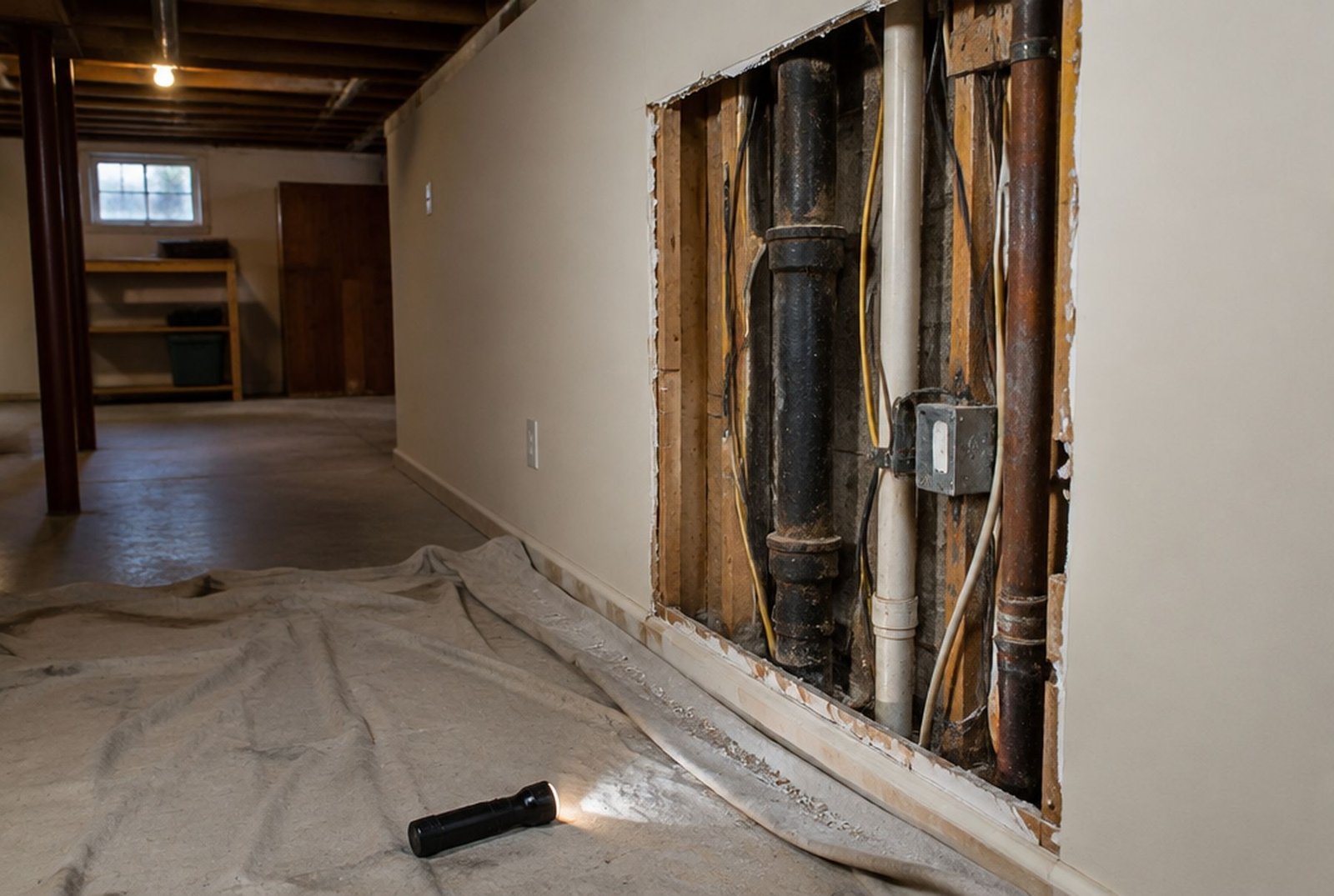
| Inspection | A visit by a Safety Codes Officer at set stages, such as framing, insulation and final. Walls should not be closed before the required inspection. |
| Demolition permit | A permit to tear down a building. In Calgary, homes built before 1990 need an asbestos survey and abatement form before demolition. |
| Occupancy permit | Approval to occupy a new building or a renovated commercial space once it passes final inspection. For most home renovations, the final inspection closes the permit. |
| Permit expiry | A permit can expire if work does not start, or stops, for too long. Check the conditions on your permit and ask the City for an extension if needed. |
Selling and property terms
| Term | What it means |
|---|---|
| Real property report | A survey of your property by an Alberta land surveyor, showing the house, garage, decks and fences relative to the property lines. Most home sales in Alberta require a current one. |
| Certificate of compliance | The City of Calgary's stamp on a real property report, confirming the buildings on it meet the Land Use Bylaw for location. It does not confirm building code compliance or permit history. |
| Encroachment | Part of a structure, such as a fence or deck, that crosses onto a neighbour's or City property. |
| Permit history | The record of permits issued for a property, which buyers, lenders and insurers may ask about. Unpermitted work can delay or complicate a sale. |
Do I need a permit for a deck, shed or fence in Calgary?
- Deck. A building permit is needed for a covered deck, or for an uncovered deck whose surface is more than 0.6 m, about 2 feet, above the ground at any point.
- Shed, garage or greenhouse. A building permit is needed if it is larger than 10 m2, about 107 square feet. Smaller buildings still have to meet the zoning rules.
- Fence. Most fences do not need a building permit. A permit is needed if the fence is higher than 2 m in the back yard, 1.2 m in the front yard, or 0.75 m inside a corner visibility triangle, or if a gate is higher than 2.5 m.
- Retaining wall. A permit is needed when it holds back 1.2 m or more of soil.
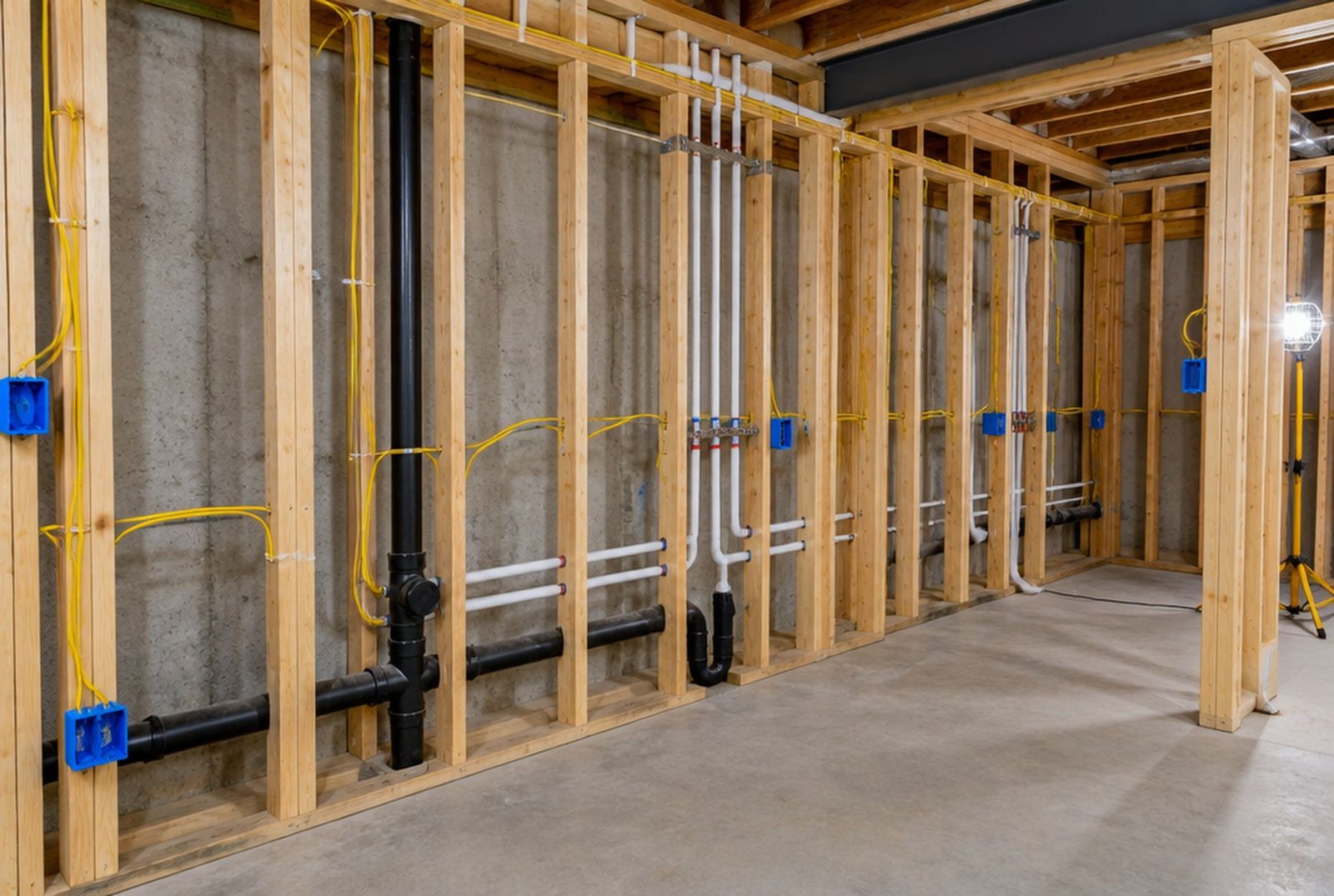
- Basement development. A building permit is needed, along with electrical and plumbing permits for the trades work.
- For other renovations, our guide to which renovations need a permit in Calgary goes room by room.
Can a homeowner pull their own permits?
In Calgary, yes, for some work. A homeowner can take out building permits and homeowner electrical, plumbing and gas permits for a home they live in or intend to live in, as long as they do the work themselves. A homeowner cannot take out a permit on behalf of a contractor or someone else doing the work, and the home cannot be a rental property. The work still has to meet code and pass inspection.
What happens if you skip a permit
- The City can issue an order to stop work or to open up finished walls for inspection.
- Insurers may deny claims for damage connected to unpermitted work.
- Buyers, lenders and lawyers may ask for permit history when you sell, and unpermitted work can delay or sink a sale.
- Fixing unpermitted work later almost always costs more than doing it right the first time. The usual fix is to apply for the permit, and the City may ask for walls or ceilings to be opened so the work can be inspected.
How to check a permit in Calgary
You can track your own permit application online through the City's application portal, and look up development applications and permits for any property on the City's Development Map. If you are buying a home, ask the seller for permit records for any renovation, basement or addition.
How Kay2 handles permits
On every Kay2 project, we check your zoning, prepare the drawings and engineering, apply for the development, building and trade permits the work needs, and book the inspections. You do not need to go to the City yourself. For commercial projects, our commercial division Kay2 Commercial handles change of use permits and health reviews.
Sources
- Government of Alberta: Permits and Alberta's safety codes system
- City of Calgary: Development permit process
- City of Calgary: Uncovered decks and balconies
- City of Calgary: Garage, shed, gazebo and similar structures
- City of Calgary: Fences and retaining walls
- City of Calgary: Homeowner trades permits
- City of Calgary: Certificate of compliance
Checked November 8, 2026. Programs and rules change; confirm current details with the source before you rely on them.
Talk it through with Kay2
Every project starts with a complimentary consultation with one of our estimators.